Kitchen notes · a little help before you start
Brown Sugar Glazed Salmon
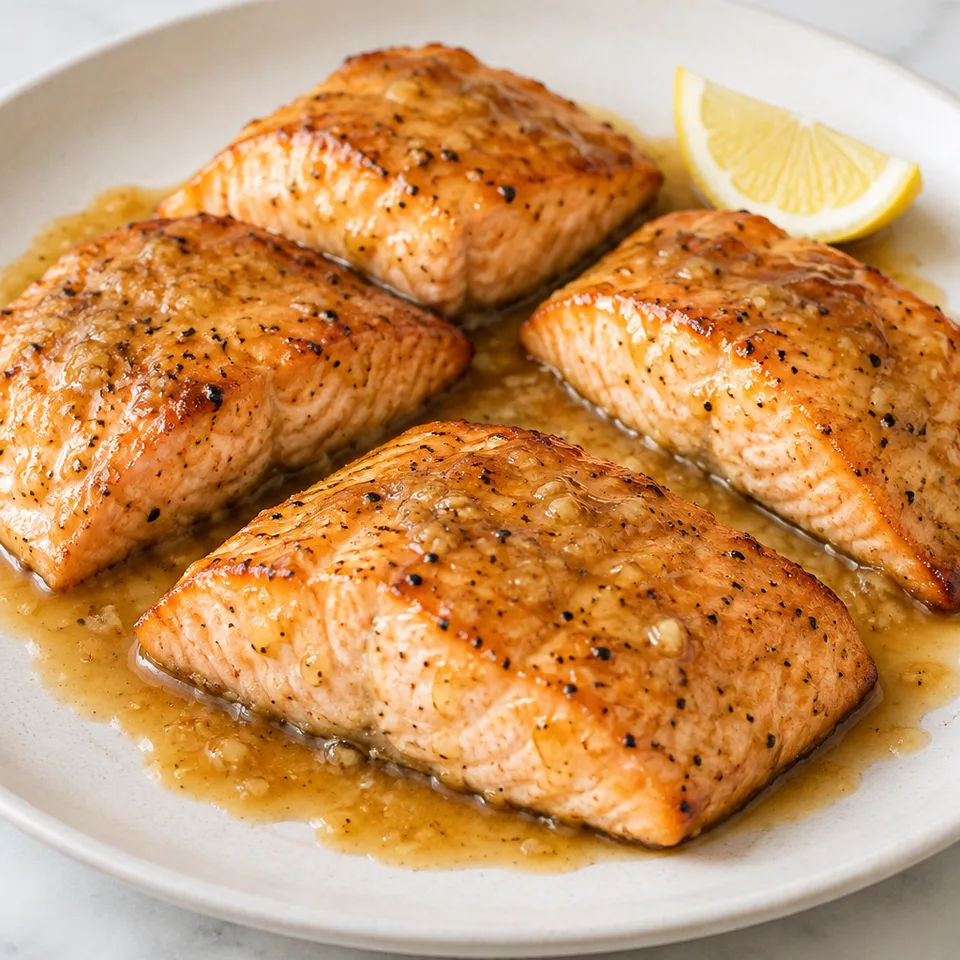
Salmon with a glossy brown sugar glaze makes a very tempting plate. The sweet sauce has a savory edge, and the crisp skin gives each bite a little crunch. Spoon that glaze over the top and settle down to eat while the fish is fresh from the pan.
- Prep
- 10 min
- Cook
- 20 min
- Total
- 30 min
- Original yield
- Serves 4
- Ingredients
- 13 listed
Make it part of your week
Recipe categories & planning details
- Meal type
- Main course
- Primary protein
- Fish
- Cuisine
- American
- Preparation & total time
- Prep: 15 minutes or less · Total: 30 minutes or less
A few quick notes
1. Dry before seasoning
Pat the cut salmon pieces dry with paper towel before adding salt and pepper and taking them to the skillet.
2. Whisk the sauce beforehand
Combine the sauce ingredients in a bowl before cooking the fish so they're ready for their brief turn in the pan.
3. Pour between the pieces
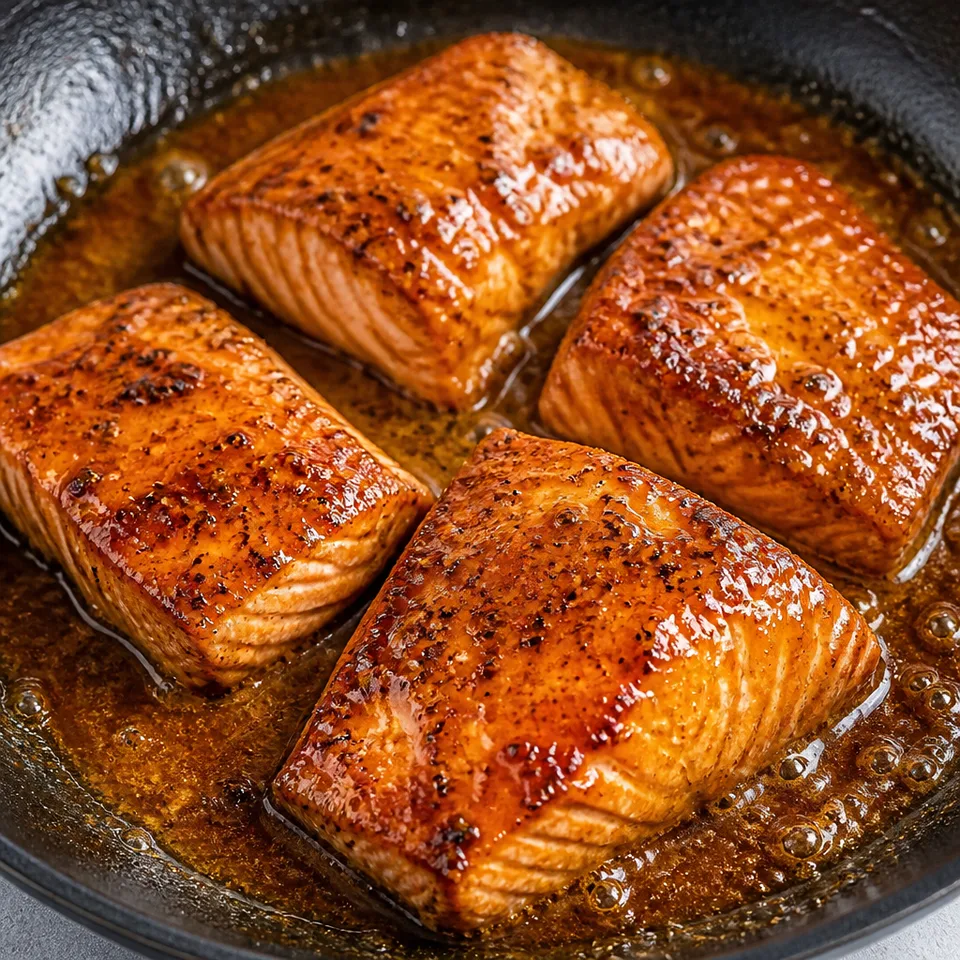
Melt the last butter, then pour the sauce into the spaces between the salmon pieces before its short bubbling stage.
Get to know the ingredients
Equal salmon portions
Cut the fresh salmon into four equal pieces before cooking so the pieces are prepared consistently for the skillet.
Butter in two additions
Some butter starts with the olive oil for cooking the salmon; the remaining tablespoon melts in just before the sauce.
Grated fresh ginger
Grate the ginger for the sauce. Try frozen ginger as an easier option to run over a fine grater.
Let’s make it
Choose your servings, then check things off as you go.
Original recipe: Serves 4. Original quantities shown.
Check ingredients as you prepare them. These checks stay on this page.
How to make it
0 of 6 steps completeMake room for Brown Sugar Glazed Salmon
Review ingredients in your pantry before anything is added. Meal plans use your household size; grocery-only additions use the servings selected above.
The last little job
Spoon over the glaze
Take the pan off the heat after the sauce briefly thickens, turn the salmon and spoon the glaze over it. Serve immediately.
A little more help as you go
Leave space in the skillet
Avoid crowding the fish; try searing in two batches if you're working with enough salmon to overcrowd the pan.
Watch thickness
The cooking guidance is based on salmon about an inch thick. Thicker or thinner pieces may need a timing adjustment.
A few questions you might have
Which side of the salmon cooks first?
Start with the skin side down, then lower the heat to medium before flipping it for the next cooking stage.
Can I remove the skin?
Yes, peel it off if you prefer. The directions suggest eating immediately if you'd like to enjoy the skin while crisp.
Why take the pan off the heat so soon after adding sauce?
The hot pan keeps thickening the glaze after you remove it from the heat, helping avoid burning the sauce.
Can I use water in the glaze?
Yes, water is listed alongside chicken broth as the liquid option. Whisk it with the other sauce ingredients beforehand.
Should the salmon come straight from the fridge?
If possible, take it out fifteen to twenty minutes before starting, then portion, dry and season it as directed.
Any more cooking tips?
The salmon I used in this recipe was approx. 1″ thick. If your salmon is thicker or thinner, you may need to adjust cooking time a bit (see blog post for tips). It’s fine if you’ve got a bit more than a pound of salmon, just make sure it’s not too much over or the salmon pieces will be crowded in the pan and not cook properly (then sear it in two batches). Pro tip: the ginger is much easier to grate if it’s frozen. I always keep some fresh ginger in the freezer and I use my Microplane grater/zester to quickly grate it.
Storage & reheating safety
For cooked, perishable leftovers, refrigerate within 2 hours (1 hour above 90°F), using shallow containers for prompt cooling. Keep the refrigerator at 40°F or below, use refrigerated leftovers within 3–4 days, and reheat hot leftovers to 165°F, checked with a food thermometer. Follow any shorter package limit.
These are general safety limits, not a tested storage or freezing recommendation for this particular dish. USDA leftovers guidance · Safe cooking temperatures
Recipe source: saltandlavender.com. Ingredient names and quantities may be adapted for the pantry.
Preparation notes follow the recipe shown here.