Kitchen notes · a little help before you start
Honey Lemon Salmon
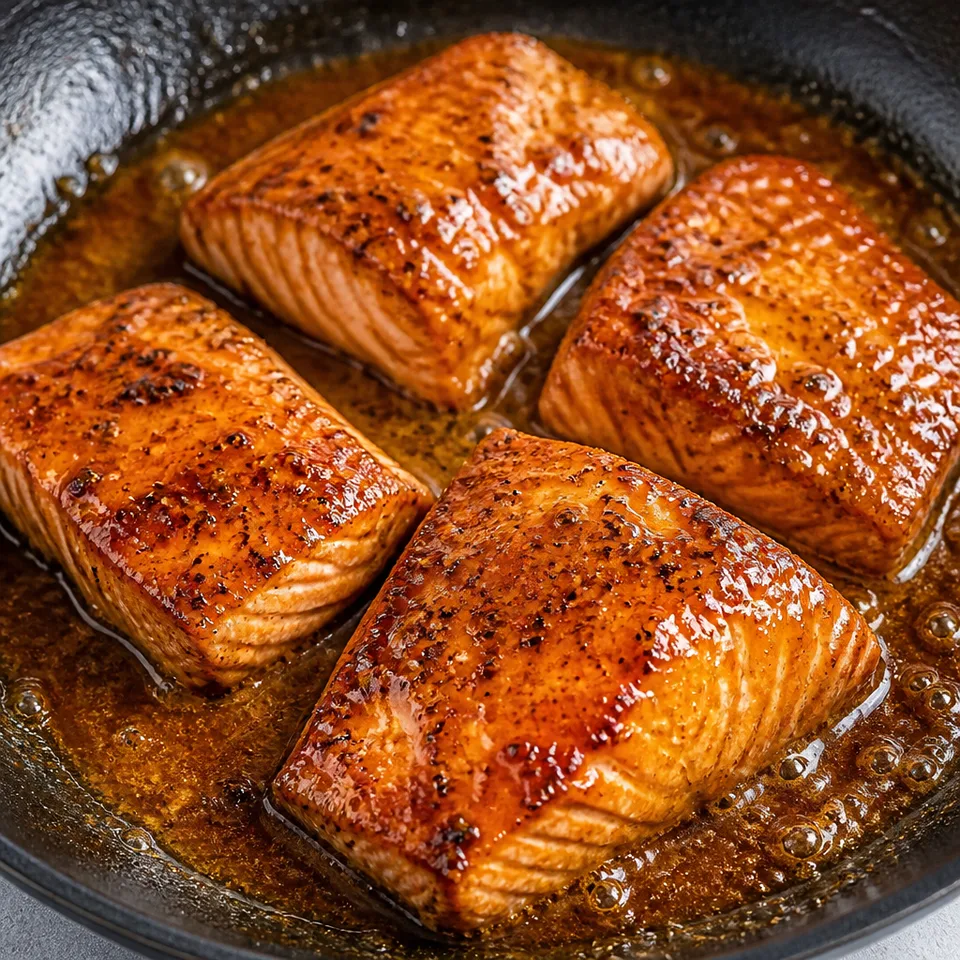
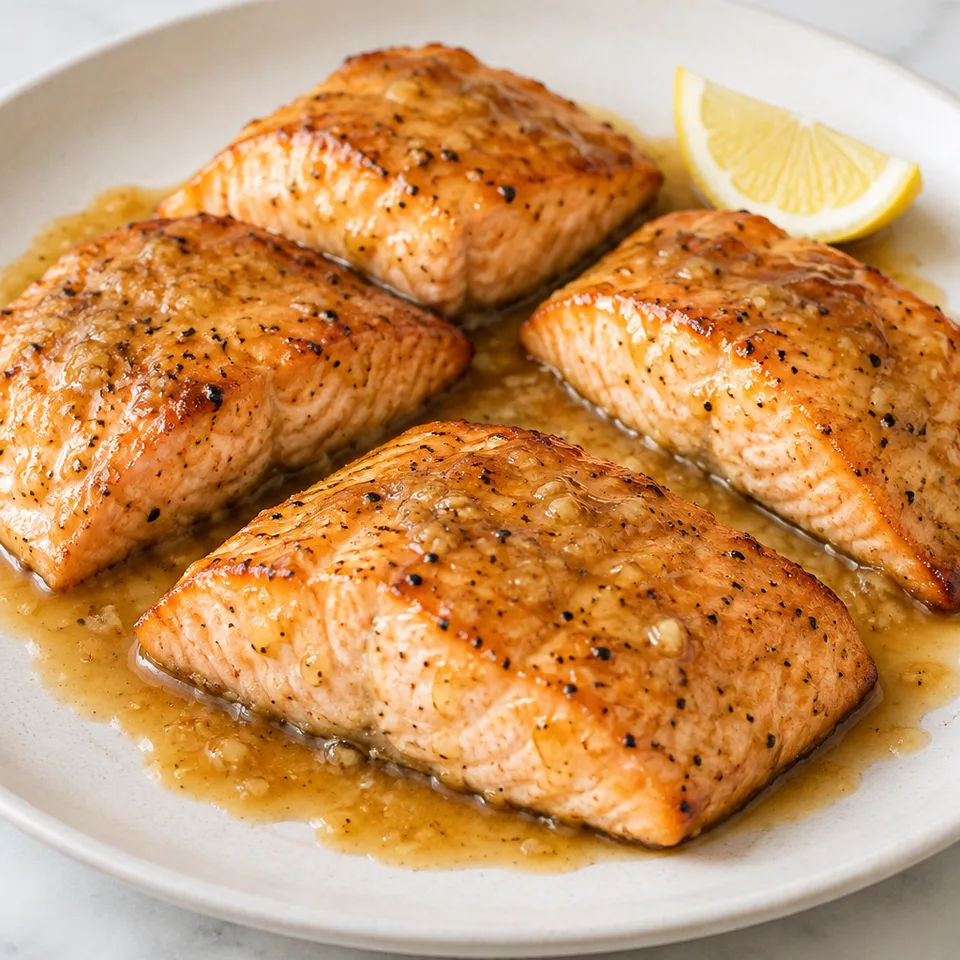
Honey and lemon give golden salmon an inviting sweet-tart coating. The buttery sauce catches around the edges of each piece, with a little extra lemon welcome at the finish. If you enjoy salmon with a sauce worth spooning over it, this is a pleasant dinner to sit down to.
- Prep
- 10 min
- Cook
- 20 min
- Total
- 30 min
- Original yield
- Serves 4
- Ingredients
- 10 listed
Make it part of your week
Recipe categories & planning details
- Meal type
- Main course
- Primary protein
- Fish
- Cuisine
- American
- Preparation & total time
- Prep: 15 minutes or less · Total: 30 minutes or less
A few quick notes
1. Let the fish lose its fridge chill
Taking the salmon out a little before you start helps it cook more evenly. Pat it dry too, so the seasoning sticks and the skin has a better chance of crisping in the pan.
2. Heat the pan before the fish goes in
Give the oil and butter a few minutes over medium-high heat before adding the salmon. That first contact with the hot pan is what helps the skin side cook nicely instead of sitting and steaming.
3. Add the sauce at the end
The honey sauce only needs a short bubble once it hits the skillet. Pulling the pan off the heat keeps it from catching, and the hot pan will keep thickening it while you spoon it over the salmon.
Get to know the ingredients
Salmon thickness matters
The timing is based on salmon about 1 inch thick. If your pieces are thicker or thinner, use the recipe timing as a guide and adjust a little so the fish is almost cooked through before the sauce goes in.
Butter is split for a reason
Use part of the butter with the oil to cook the salmon, then add the rest before the sauce. That last bit melts into the pan just before the honey-lemon mixture bubbles and thickens.
Broth or water both work
The sauce is made with either chicken broth or water, so use whichever one you’ve got. It loosens the honey and lemon mixture enough to whisk smoothly before it goes into the skillet.
Let’s make it
Choose your servings, then check things off as you go.
Original recipe: Serves 4. Original quantities shown.
Check ingredients as you prepare them. These checks stay on this page.
How to make it
0 of 6 steps completeMake room for Honey Lemon Salmon
Review ingredients in your pantry before anything is added. Meal plans use your household size; grocery-only additions use the servings selected above.
The last little job
The last little job
Just before serving, add a squeeze of lemon if you like. It freshens the sauce and balances the honey. Eat the crispy skin right away, or peel it off easily if you’d rather skip it.
A little more help as you go
Don’t crowd the skillet
A little over a pound of salmon is fine, but avoid packing in too much. The pieces need enough room in the pan to cook properly, especially while they’re sitting skin-side down.
Pour around the salmon
When the sauce goes in, pour it between the pieces rather than straight over the tops. It can bubble against the hot skillet, thicken quickly, and then get spooned over the fish.
A few questions you might have
Should I remove the salmon skin before cooking?
No need. Cook the salmon skin-side down first. The skin can get nice and crispy if you eat it right away, and it will peel off easily after cooking if you prefer not to eat it.
How cooked should the salmon be before I add the sauce?
After the first side and the short cook after flipping, the salmon should be almost cooked through. It finishes gently while the sauce bubbles and the hot pan keeps working off the heat.
Why take the pan off the heat so quickly after adding the sauce?
Honey can burn if it stays over strong heat too long. Let the sauce bubble and thicken briefly, then move the pan off the burner. The skillet stays hot enough to finish thickening it.
Can I whisk the sauce directly in the pan?
Mix it in a bowl first. The honey, lemon juice, liquid, garlic powder, and cornstarch need to be whisked together before they hit the hot skillet, where the sauce thickens fast.
What if my salmon pieces are thicker or thinner?
Adjust the cooking time for the thickness of your salmon. The timing here is based on pieces about 1 inch thick, so thinner pieces may be ready sooner and thicker pieces may need a little longer.
Any more cooking tips?
The salmon I used in this recipe was about 1" thick. If your salmon is thicker or thinner, you may need to adjust cooking time a bit. It's ok if you've got a bit over a pound of salmon, just make sure it's not too much over or the salmon pieces will be crowded in the pan and not cook properly. Nutritional information is provided as a courtesy only and should be construed as an estimate rather than a guarantee. Ingredients can vary and Salt & Lavender makes no guarantees to the accuracy of this information.
Storage & reheating safety
For cooked, perishable leftovers, refrigerate within 2 hours (1 hour above 90°F), using shallow containers for prompt cooling. Keep the refrigerator at 40°F or below, use refrigerated leftovers within 3–4 days, and reheat hot leftovers to 165°F, checked with a food thermometer. Follow any shorter package limit.
These are general safety limits, not a tested storage or freezing recommendation for this particular dish. USDA leftovers guidance · Safe cooking temperatures
Recipe source: saltandlavender.com. Ingredient names and quantities may be adapted for the pantry.
Preparation notes follow the recipe shown here.