Kitchen notes · a little help before you start
Shoyu Ramen
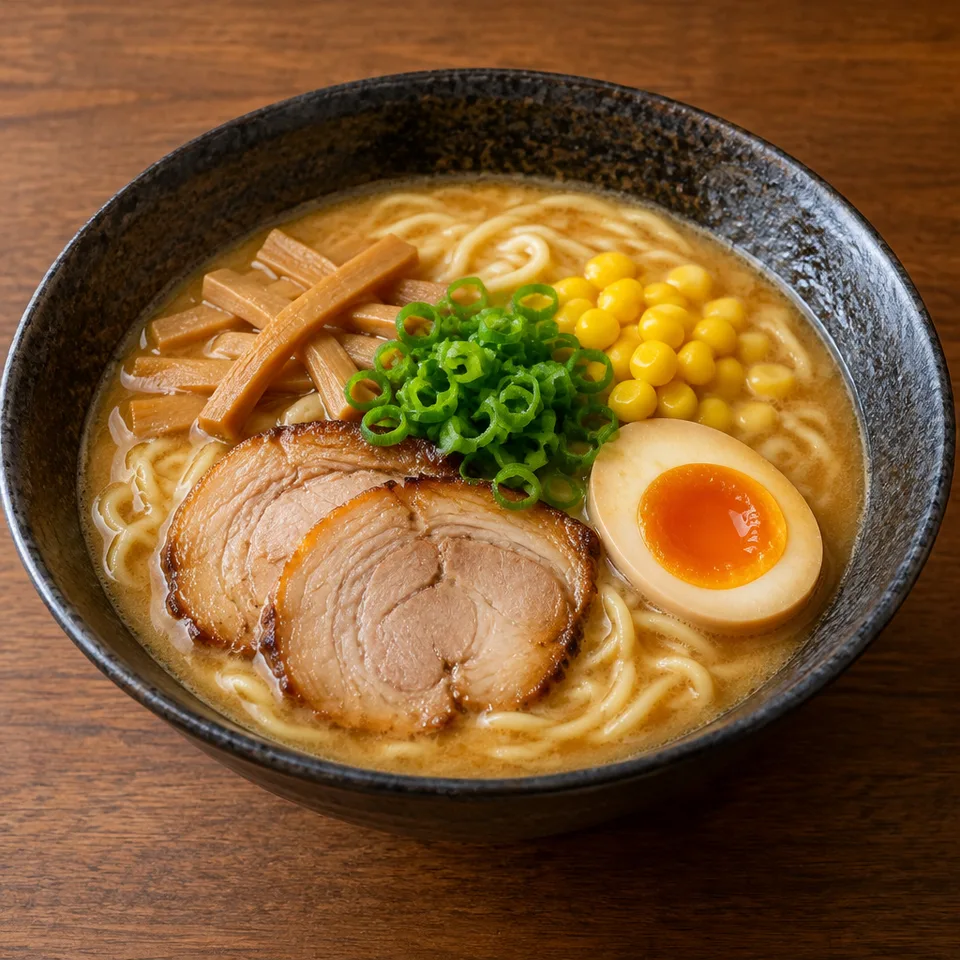
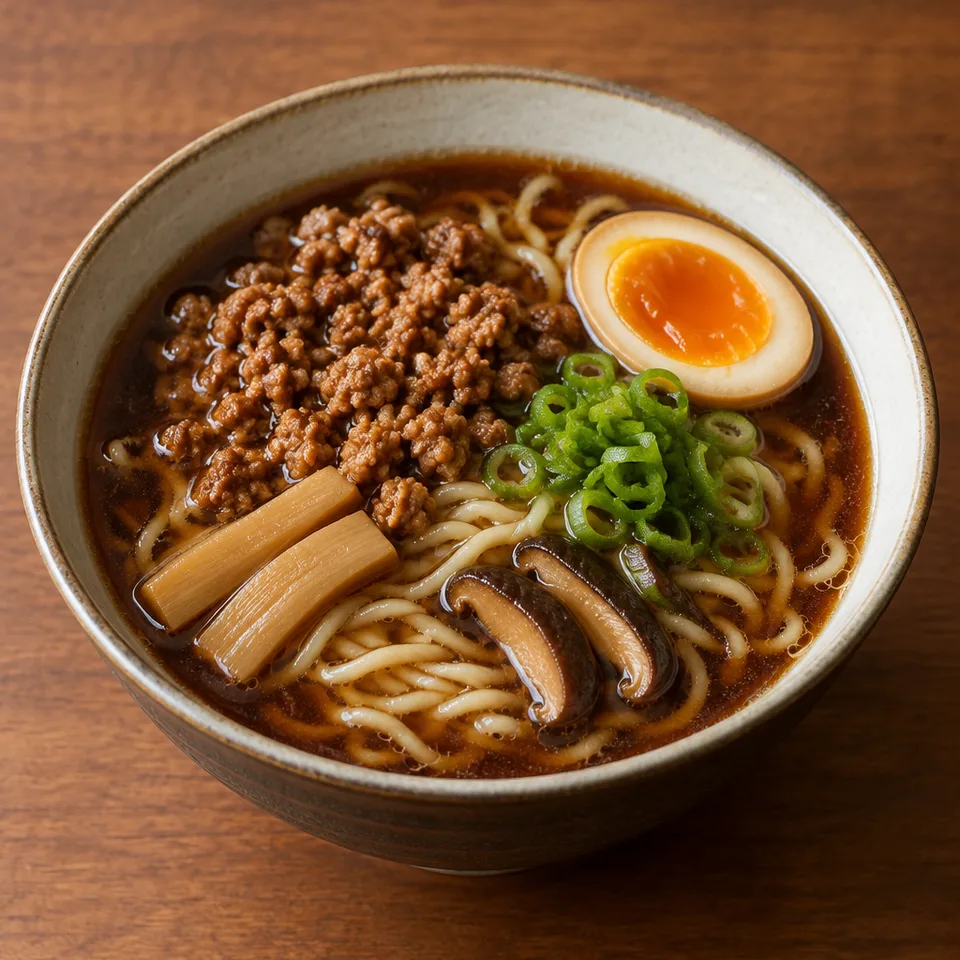
A clear, savory broth and springy noodles give this shoyu ramen plenty of appeal before any toppings go on. Deeply browned chicken, dashi and shiitake lend the broth a full flavor, making it worth sipping between mouthfuls of noodles.
- Prep
- 5 min
- Cook
- 15 min
- Total
- 20 min
- Original yield
- Serves 2
- Ingredients
- 11 listed
Make it part of your week
Recipe categories & planning details
- Meal type
- Main course
- Primary protein
- Chicken
- Cuisine
- Japanese · Asian
- Cooking method
- Stir fry
- Preparation & total time
- Prep: 15 minutes or less · Total: 30 minutes or less
- Dish type
- Soups · Soups & stews · Noodles
A few quick notes
1. Brown the chicken properly
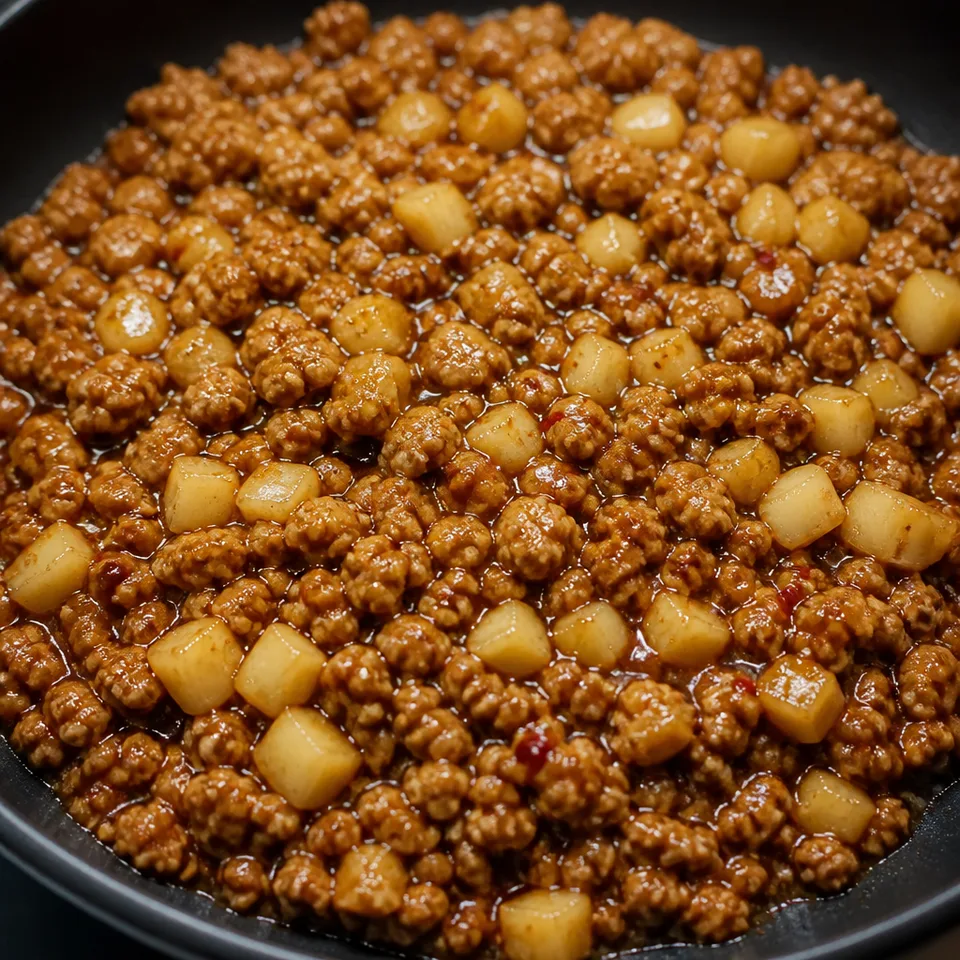
Let the liquid cook off before you judge the color. The best flavor comes once the chicken is deeply browned and the bottom of the pan has a dark brown layer of fond. Stop before it burns.
2. Skim gently
When the broth comes to a boil, skim off the foam that rises. Try not to remove too much fat with it, since the directions call for leaving as much fat behind as possible.
3. Keep the noodles separate until the end
The broth simmers on its own, then the fresh ramen noodles are boiled according to their package instructions. Drain them well before they go into the bowls so the soup stays concentrated.
Get to know the ingredients
Ground chicken builds the base
The chicken isn't just simmered. It gets crumbled, cooked until the liquid evaporates, then browned hard enough to leave fond on the pan. That's where much of the broth's savory backbone comes from.
Grated onion and ginger melt in
Grating the onion and ginger matters here. They go straight into the pan with the chicken, so the fine texture cooks into the meat mixture instead of leaving larger pieces in the broth.
Gelatin adds body fast
The powdered gelatin is added with the dashi, dried shiitake, and soy sauce before the short simmer. It helps give the broth body without needing a long stock-making session.
Let’s make it
Choose your servings, then check things off as you go.
Original recipe: Serves 2. Original quantities shown.
Check ingredients as you prepare them. These checks stay on this page.
How to make it
0 of 7 steps completeMake room for Shoyu Ramen
Review ingredients in your pantry before anything is added. Meal plans use your household size; grocery-only additions use the servings selected above.
The last little job
The last little job
Press the strained solids well, keep the broth warm, and get the noodles drained before you ladle. Once the hot soup hits the bowls, finish with your ramen toppings of choice and serve right away.
A little more help as you go
Use a wide pan if you can
A deep frying pan or wide stockpot gives the chicken room to cook down and brown. The recipe has you set the pan on a scale first, which keeps the early measuring tidy.
Press, don't just pour
After the simmer, strain through a fine-mesh sieve and press on the solids. That step pulls out more of the flavor from the browned chicken, mushroom, onion, and ginger before the broth goes back on low heat.
A few questions you might have
Do I add the dashi before or after browning the chicken?
Add it after the chicken is deeply browned and the fond has formed. The dashi goes in with the gelatin, dried shiitake, and soy sauce to make the broth.
How dark should the fond be?
Aim for a thick layer of dark brown fond on the bottom of the pan. Dark brown is good here, but burnt isn't, so move on once it looks deeply browned and smells savory.
Should I remove the fat when I skim the broth?
Skim the foam that rises after the broth comes to a boil, but leave as much fat behind as possible. The directions make that distinction because the fat stays in the soup.
Do the dried shiitake mushrooms need to soak first?
No soaking step is given. The dried shiitake goes straight into the pan with the dashi, gelatin, and soy sauce, then simmers in the broth.
When do the noodles go into the soup?
Boil the fresh ramen noodles separately according to the package instructions. Drain them well, divide them between bowls, and ladle the hot broth over the top.
Storage & reheating safety
For cooked, perishable leftovers, refrigerate within 2 hours (1 hour above 90°F), using shallow containers for prompt cooling. Keep the refrigerator at 40°F or below, use refrigerated leftovers within 3–4 days, and reheat hot leftovers to 165°F, checked with a food thermometer. Follow any shorter package limit.
These are general safety limits, not a tested storage or freezing recommendation for this particular dish. USDA leftovers guidance · Safe cooking temperatures
Recipe source: norecipes.com. Ingredient names and quantities may be adapted for the pantry.
Preparation notes follow the recipe shown here.