Kitchen notes · a little help before you start
Garlic Lemon Butter Shrimp
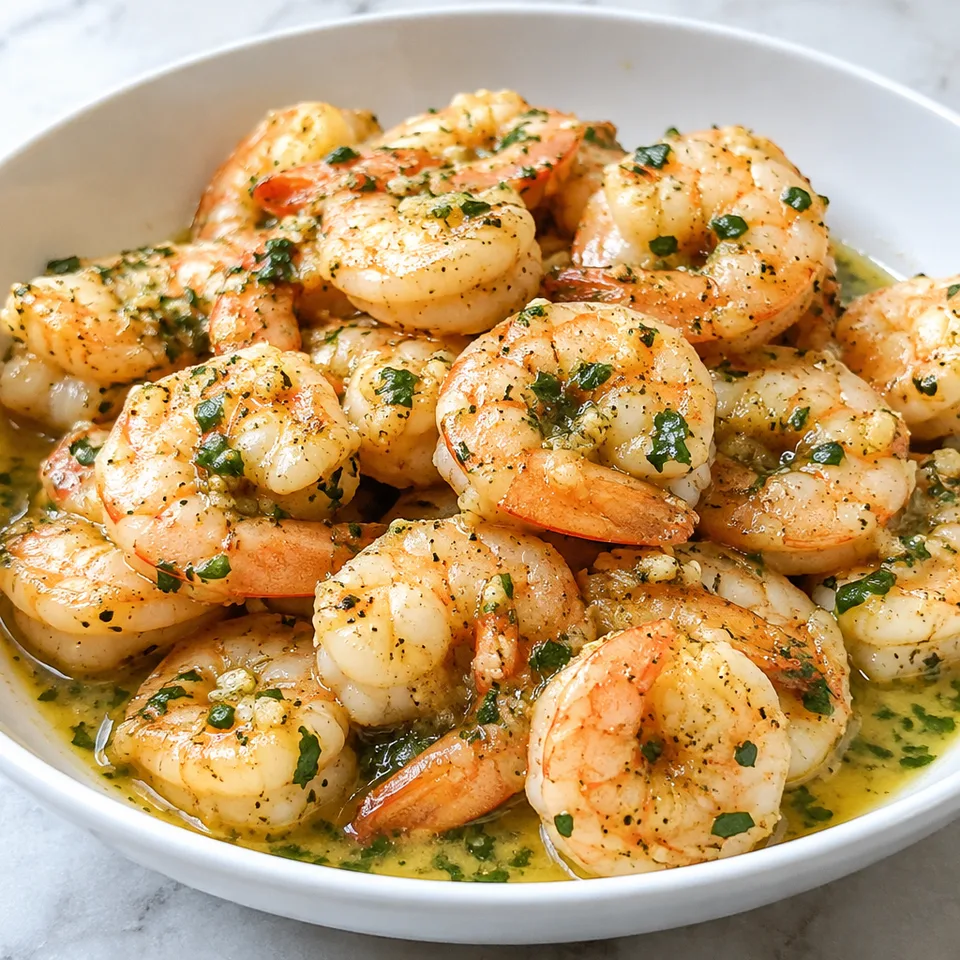
Lemon butter gathers around tender shrimp, with garlic and parsley running through the sauce. The bright citrus makes the rich butter especially appealing, and a little browning on the shrimp gives each bite a savory edge.
- Prep
- 15 min
- Cook
- 6 min
- Total
- 21 min
- Original yield
- Serves 5
- Ingredients
- 9 listed
Make it part of your week
Recipe categories & planning details
- Meal type
- Main course
- Primary protein
- Seafood
- Cuisine
- American
- Preparation & total time
- Prep: 15 minutes or less · Total: 30 minutes or less
A few quick notes
1. Cook the shrimp in two rounds
Half the shrimp goes into the skillet at a time, along with half the garlic. That gives the shrimp space to cook quickly and turn opaque instead of crowding the pan.
2. Keep the first batch warm
After the first batch cooks, wrap it in foil while the second batch goes in. It only sits for a few minutes, but the foil helps everything stay warm for the final toss.
3. Mix the butter first
Stir the melted butter, lemon juice and parsley together before you start cooking. The shrimp cooks fast, so having that mixture ready makes the last step easy.
Get to know the ingredients
Shrimp size matters here
Use extra-large peeled and deveined shrimp, marked 21/25. That size fits the quick skillet timing in the recipe and makes it easier to turn the shrimp just once as they cook.
A little sugar is intentional
The sugar is only a tiny amount, but it goes on with the salt and pepper before cooking. Sprinkle it over the dried shrimp rather than adding it to the butter sauce.
Fresh parsley goes in the sauce
The parsley is mixed with the melted butter and lemon juice, then tossed with the shrimp at the end. It stays brighter that way than it would if it cooked in the hot skillet.
Let’s make it
Choose your servings, then check things off as you go.
Original recipe: Serves 5. Original quantities shown.
Check ingredients as you prepare them. These checks stay on this page.
How to make it
0 of 6 steps completeMake room for Garlic Lemon Butter Shrimp
Review ingredients in your pantry before anything is added. Meal plans use your household size; grocery-only additions use the servings selected above.
The last little job
Toss off the heat and serve warm
Once the second batch is done, take the skillet off the heat, add the first batch back in, and pour over the butter mixture. Toss just to coat so the lemon butter stays fresh and silky.
A little more help as you go
Dry shrimp cook better
Pat the shrimp dry before seasoning, then cook them as directed until opaque and cooked through.
Garlic is split too
Add half the minced garlic with each batch of shrimp. That keeps the garlic distributed and avoids leaving all of it in the pan for both rounds of cooking.
A few questions you might have
How do I know the shrimp are done?
They should be opaque and cooked through after about 3 minutes total in the skillet, turning once. Since they cook quickly, stay close once they hit the hot oil.
Why do I remove the skillet from the heat before adding the butter mixture?
The butter, lemon juice and parsley are already mixed and ready to coat the shrimp. Taking the pan off the heat helps that mixture cling to the shrimp instead of boiling down in the skillet.
Should all the garlic go in at the beginning?
No. Use half the garlic with the first half of the shrimp, then repeat with the remaining garlic and shrimp. That follows the two-batch cooking setup.
Do I season the butter sauce or the shrimp?
Season the shrimp after patting it dry. The salt, pepper and sugar go directly on the shrimp before it goes into the skillet.
Can I add the lemon juice straight to the pan instead of mixing it with the butter?
For this recipe, mix the lemon juice with the melted butter and parsley first, then pour it over the cooked shrimp at the end. That keeps the finishing step quick and even.
Storage & reheating safety
For cooked, perishable leftovers, refrigerate within 2 hours (1 hour above 90°F), using shallow containers for prompt cooling. Keep the refrigerator at 40°F or below, use refrigerated leftovers within 3–4 days, and reheat hot leftovers to 165°F, checked with a food thermometer. Follow any shorter package limit.
These are general safety limits, not a tested storage or freezing recommendation for this particular dish. USDA leftovers guidance · Safe cooking temperatures
Recipe source: cookingclassy.com. Ingredient names and quantities may be adapted for the pantry.
Preparation notes follow the recipe shown here.