Kitchen notes · a little help before you start
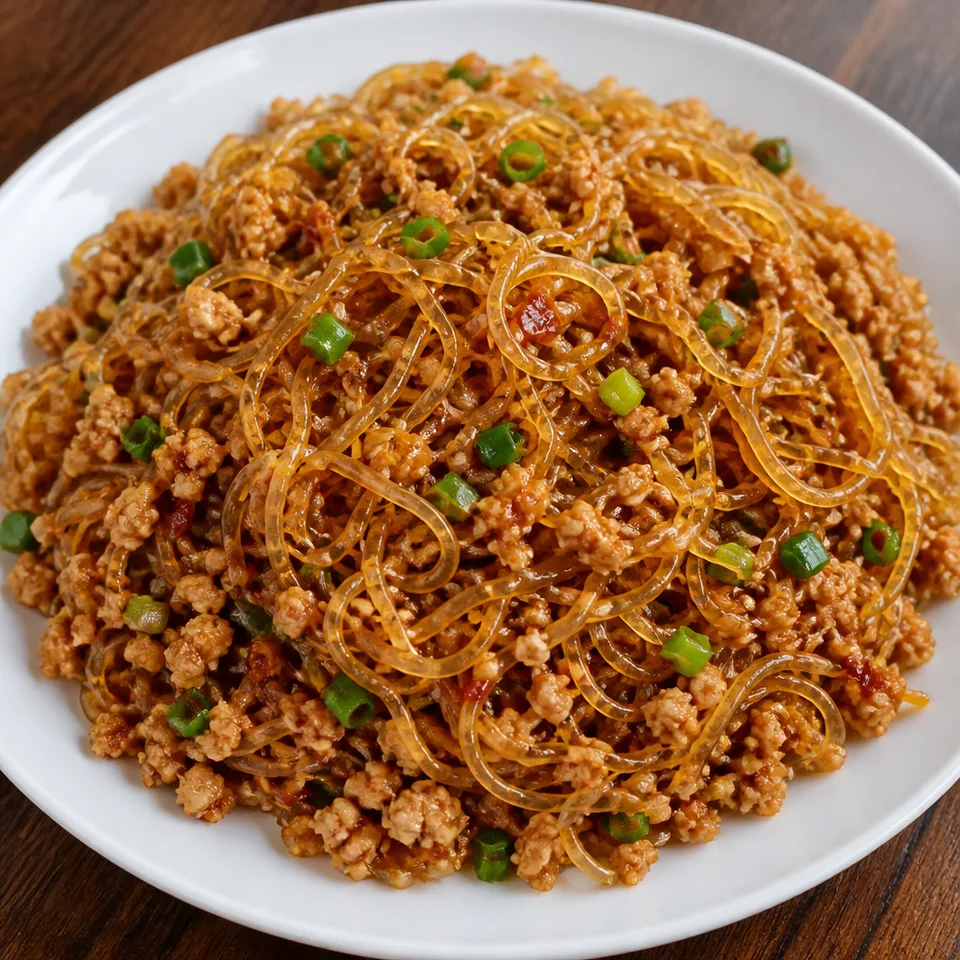
Stir Fried Vermicelli with Pork (Ma Yi Shang Shu, 蚂蚁上树)
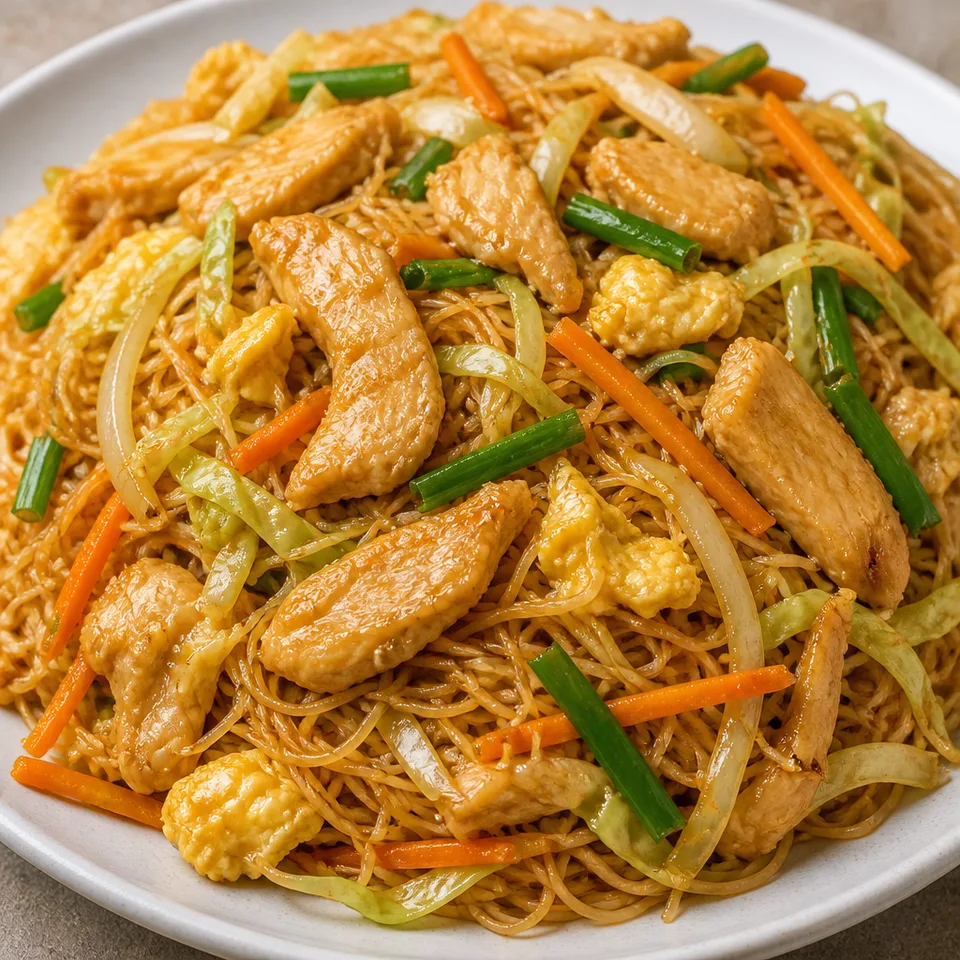
Fine glass noodles catch bits of savory pork and a warm doubanjiang sauce in this satisfying plate. Ginger and garlic give the noodles a fragrant edge, with green onion running through them. Follow a few slippery strands with your fork or chopsticks and enjoy the pork caught between them.
- Prep
- 15 min
- Cook
- 5 min
- Total
- 20 min
- Original yield
- Serves 4
- Ingredients
- 12 listed
Make it part of your week
Recipe categories & planning details
- Meal type
- Main course
- Primary protein
- Pork
- Cuisine
- Chinese · Asian
- Preparation & total time
- Prep: 15 minutes or less · Total: 30 minutes or less
A few quick notes
1. Drain the soaked noodles
Soak the vermicelli as directed, drain thoroughly and toss with the first portion of oil before setting aside.
2. Break up the pork
Chop the ground pork into smaller pieces as it cooks, continuing until the meat is fully cooked.
3. Check noodles under the lid
After the covered cooking, check the noodles and cover for a little longer if they are still tough.
Get to know the ingredients
Mung bean vermicelli
Use dried mung bean vermicelli soaked in hot water according to its package before adding it to the skillet.
Doubanjiang
Stir the doubanjiang through the cooked pork until the meat is evenly coated before adding noodles and liquid.
Chicken broth
Chicken broth is poured into the pan with the soaked noodles and prepared sauce for their covered cooking.
Let’s make it
Choose your servings, then check things off as you go.
Original recipe: Serves 4. Original quantities shown.
Check ingredients as you prepare them. These checks stay on this page.
How to make it
0 of 6 steps completeMake room for Stir Fried Vermicelli with Pork (Ma Yi Shang Shu, 蚂蚁上树)
Review ingredients in your pantry before anything is added. Meal plans use your household size; grocery-only additions use the servings selected above.
The last little job
Evaporate the last liquid
Once the noodles soften, cook uncovered until the liquid evaporates, then transfer everything to a plate and serve hot.
A little more help as you go
A fallback soaking time
If the noodle package has no instructions, the directions provide a fifteen-minute hot-water soak before draining.
Sesame oil option
If you use vegetable oil instead of peanut oil, add toasted sesame oil at the end.
A few questions you might have
Should I mix the sauce ahead of cooking?
Yes, combine the sauce ingredients in a small bowl and set it aside before heating the aromatics.
When does the doubanjiang go in?
Add it after the pork is fully cooked, stirring until the pork is evenly coated with the paste.
Are the noodles fried from dry?
No, soak them in hot water first, drain thoroughly and toss with oil before adding them to the pan.
Does the pan stay covered until serving?
No, uncover to check the noodles, then finish uncovered once soft so the excess liquid can evaporate.
What goes in before the pork?
The ginger, garlic and green onion cook briefly in hot oil before the ground pork is added.
Any more cooking tips?
Use 1/2 teaspoon toasted sesame oil at the end (step 6, after uncovering the pan) if you use vegetable oil instead of peanut oil.
Storage & reheating safety
For cooked, perishable leftovers, refrigerate within 2 hours (1 hour above 90°F), using shallow containers for prompt cooling. Keep the refrigerator at 40°F or below, use refrigerated leftovers within 3–4 days, and reheat hot leftovers to 165°F, checked with a food thermometer. Follow any shorter package limit.
These are general safety limits, not a tested storage or freezing recommendation for this particular dish. USDA leftovers guidance · Safe cooking temperatures
Recipe source: omnivorescookbook.com. Ingredient names and quantities may be adapted for the pantry.
Preparation notes follow the recipe shown here.