Kitchen notes · a little help before you start
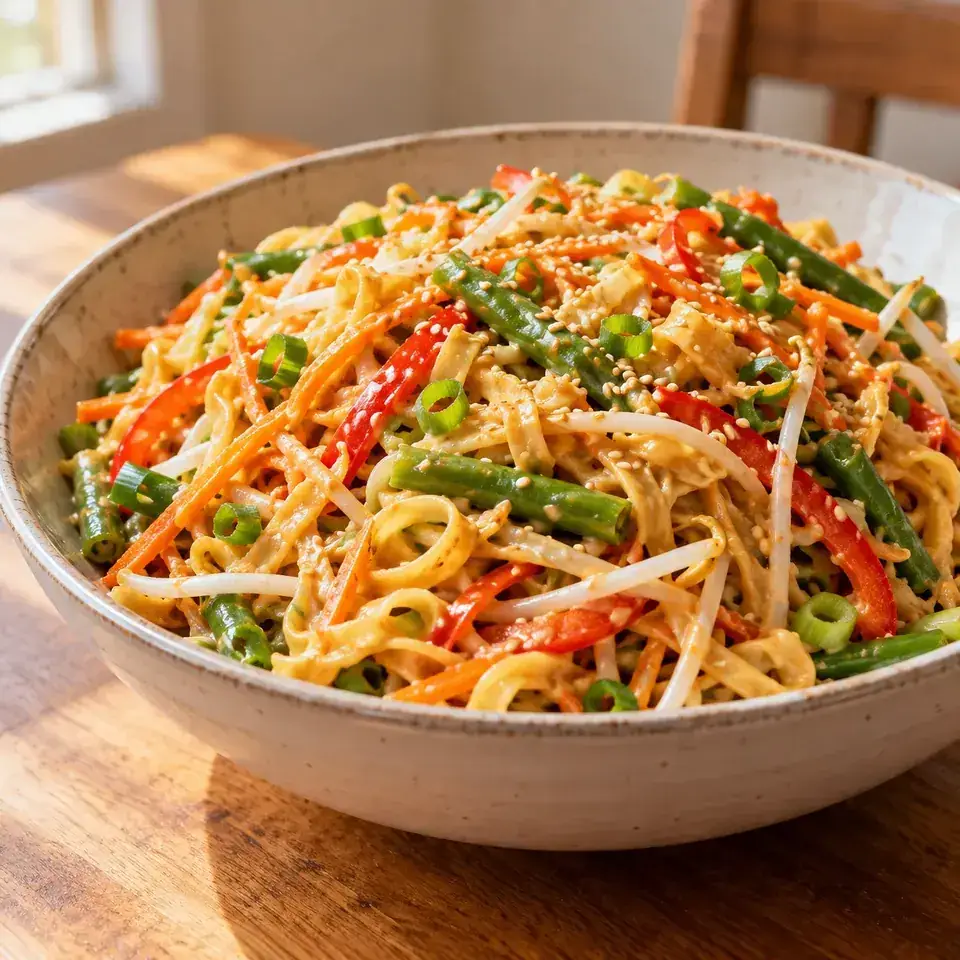
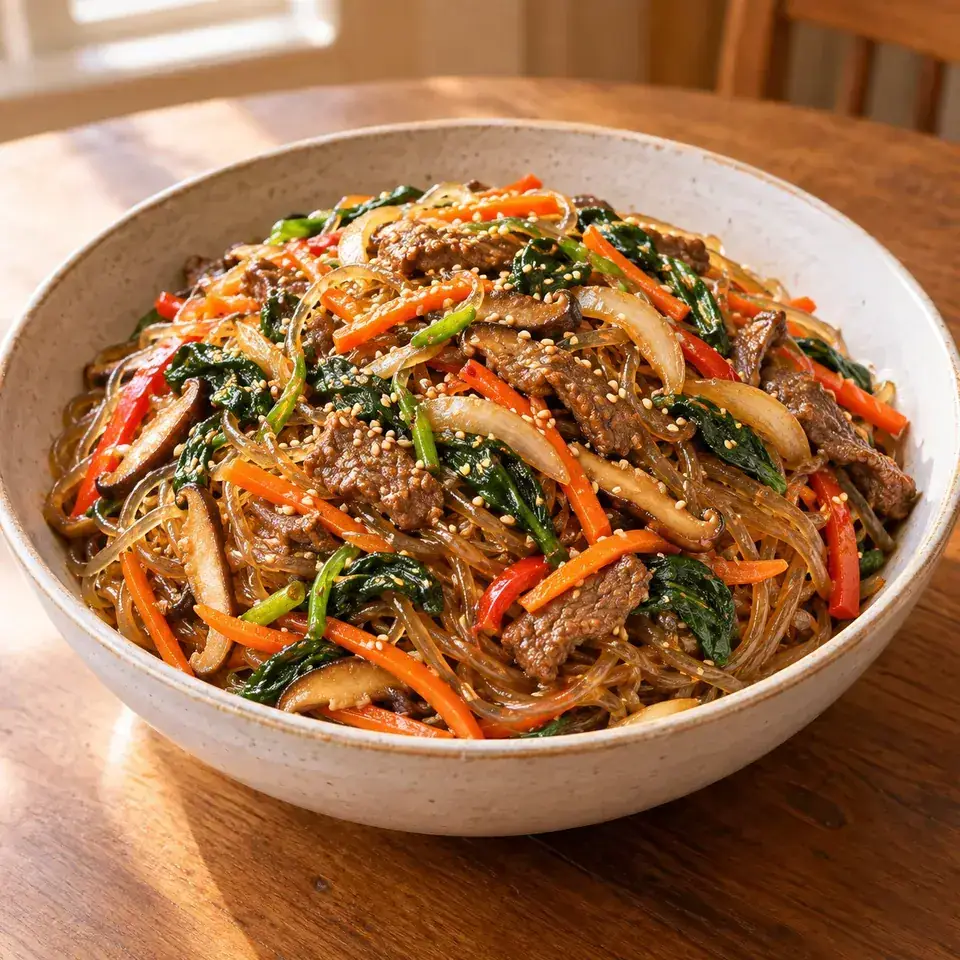
Japchae - Korean Noodles
Japchae - Korean Noodles brings together beef short ribs, ribeye steak, and soy sauce. The method uses package directions for part of the cooking. The quick notes will help you get the small jobs lined up before you start.
- Prep
- 20 min
- Cook
- 15 min
- Original yield
- Serves 4
- Ingredients
- 17 listed
Make it part of your week
Recipe categories & planning details
- Meal type
- Main course
- Primary protein
- Beef
- Cuisine
- Asian
- Preparation & total time
- Prep: 16–30 minutes
- Dish type
- Noodles
A few quick notes
1. Keep the package nearby
The method uses package directions for part of the cooking. Read those before choosing your start time, especially if you have a different brand or package size.
2. Give the marinade its turn
Look at the marinating step before you get the rest of dinner going. Keep that preparation in the order the recipe gives, and check the full method for how it fits around the cooking.
3. Set out the first ingredients
Look through the first cooking step and have its ingredients ready before you begin. It is easier to give the pan your attention when you are not still looking for the next item.
Get to know the ingredients
Beef short ribs
Look at how this ingredient comes into the method: Cut beef into strips that are ~ 5mm thick, 1cm wide and about 5cm long (1/5" x 2/5" x 2").
Ribeye steak
Look at how this ingredient comes into the method: Then cut each piece in half lengthwise (to form 2 "steaks") then slice into 5mm thick. (See step photos in post or video at 0.11s, Note 6)
Soy sauce
Look at how this ingredient comes into the method: Sauce - Mix the Sauce ingredients in a very large mixing bowl.
Let’s make it
Choose your servings, then check things off as you go.
Original recipe: Serves 4. Original quantities shown.
Check ingredients as you prepare them. These checks stay on this page.
How to make it
0 of 9 steps completeMake room for Japchae - Korean Noodles
Review ingredients in your pantry before anything is added. Meal plans use your household size; grocery-only additions use the servings selected above.
The last little job
Keep the last little job in mind
The recipe finishes with this step: Eat! Set out what you need for that finish before the cooking gets busy.
A little more help as you go
Stay with the stirring step
Keep this part of the cooking within reach rather than leaving the pan. The method asks for regular stirring, so get the next ingredients ready before that step begins.
Match the preparation in the method
Take a look at the chopping, slicing or shaving step before bringing the parts together. Use the preparation described there so the food goes into the next stage in the form the recipe expects.
Set out the finishing ingredient
Keep the finishing ingredient within reach while the main preparation is going on. Add it at the step in the method so the last job is easy to complete.
A few questions you might have
What should I get ready before starting?
Read the first preparation step before you get going: Cut beef into strips that are ~ 5mm thick, 1cm wide and about 5cm long (1/5" x 2/5" x 2").
Which little step is worth remembering?
The method uses package directions for part of the cooking. Read those before choosing your start time, especially if you have a different brand or package size.
What check should I look for as it cooks?
Keep this part of the method in view: Add beef and cook for 1 1/2 minutes until very lightly golden and just cooked through.
Is there another preparation step to plan for?
Keep this part of the cooking within reach rather than leaving the pan. The method asks for regular stirring, so get the next ingredients ready before that step begins.
Storage & reheating safety
For cooked, perishable leftovers, refrigerate within 2 hours (1 hour above 90°F), using shallow containers for prompt cooling. Keep the refrigerator at 40°F or below, use refrigerated leftovers within 3–4 days, and reheat hot leftovers to 165°F, checked with a food thermometer. Follow any shorter package limit.
These are general safety limits, not a tested storage or freezing recommendation for this particular dish. USDA leftovers guidance · Safe cooking temperatures
Recipe source: RecipeTin Eats. Ingredient names and quantities may be adapted for the pantry.
Preparation notes follow the recipe shown here.