Kitchen notes · a little help before you start
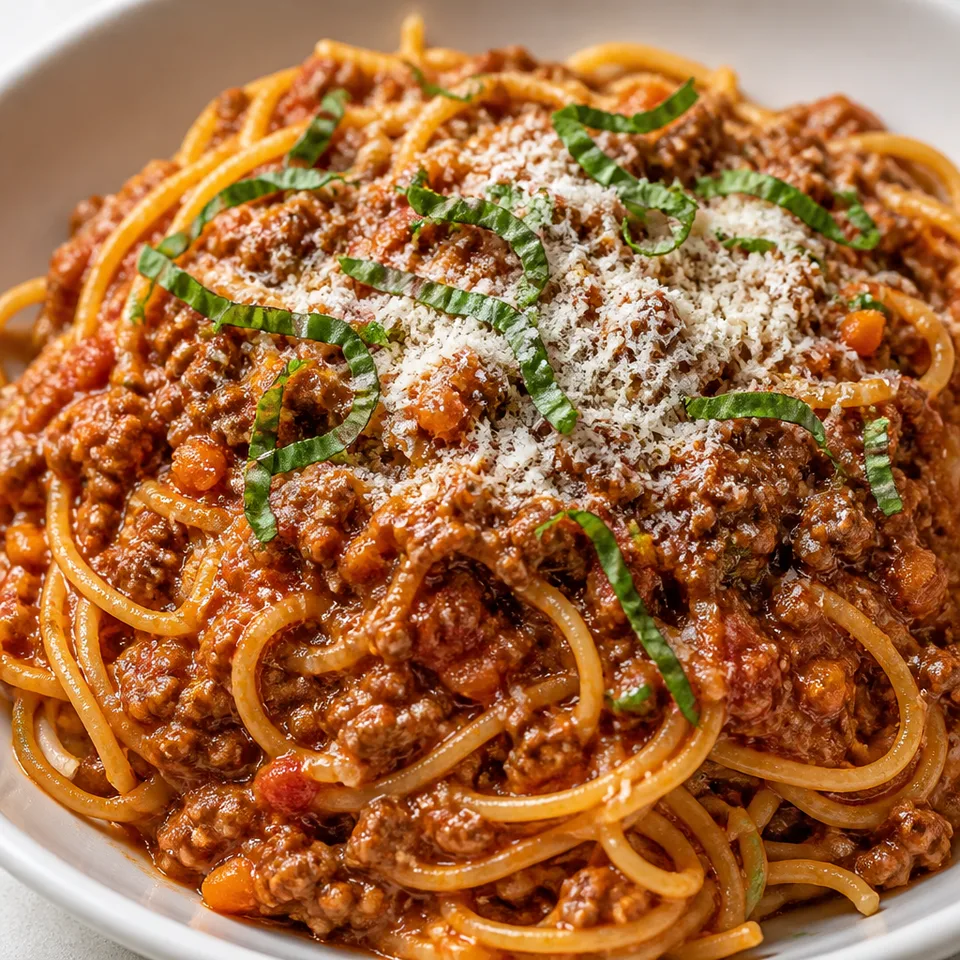
Spaghetti Marinara
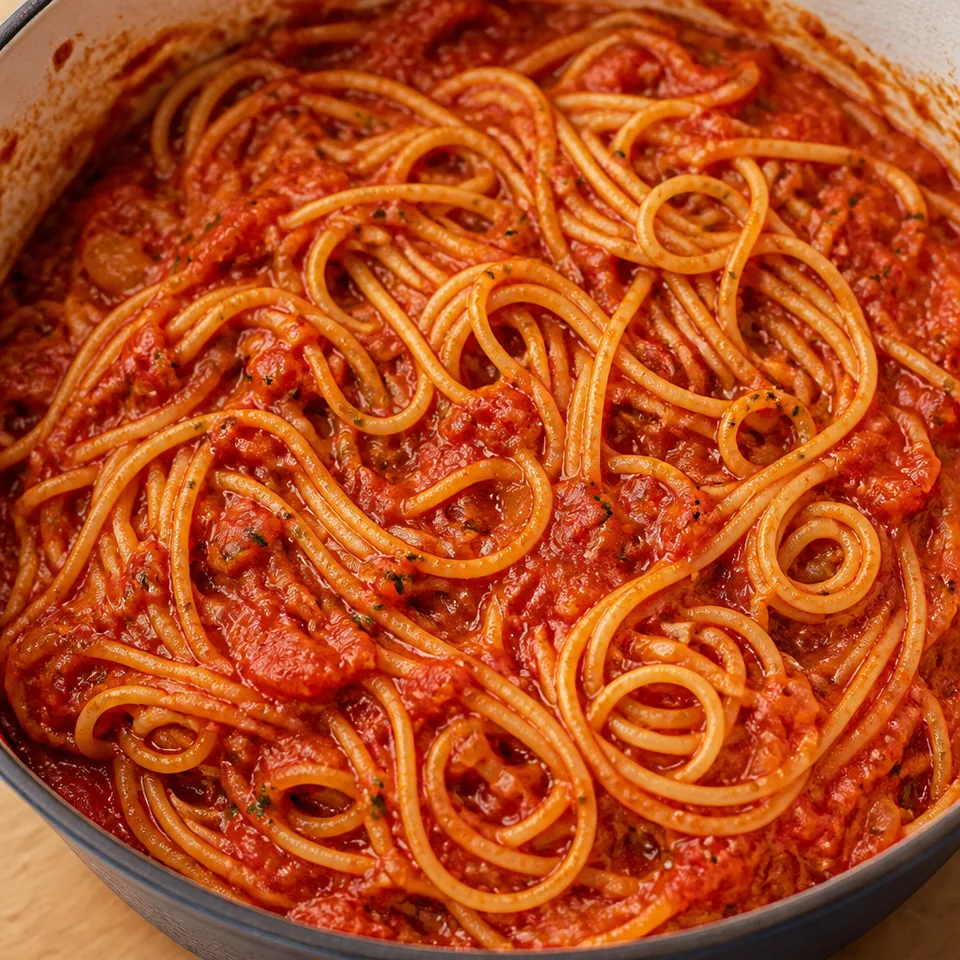
A generous tomato sauce makes a plate of spaghetti especially inviting. This marinara can stay a little chunky or turn smooth, depending on the texture you enjoy. Toss it through the pasta or spoon it over the top and let the tomatoes lead the forkful.
- Prep
- 10 min
- Cook
- 20 min
- Total
- 30 min
- Original yield
- Serves 8
- Ingredients
- 14 listed
Make it part of your week
Recipe categories & planning details
- Meal type
- Dinner
- Cuisine
- Italian
- Preparation & total time
- Prep: 15 minutes or less · Total: 30 minutes or less
- Dish type
- Pasta
A few quick notes
1. Soften onion before garlic
Saute finely diced onion until translucent, then stir in pressed garlic briefly before adding the sauce ingredients.
2. Stir during the covered simmer
Keep the sauce covered for its simmering stage and stir occasionally as it cooks.
3. Choose the sauce texture
Blend with an immersion blender for smooth sauce, or break up larger tomatoes with a wooden spoon for a chunkier finish.
Get to know the ingredients
Pressed garlic
Press the garlic cloves before adding them to the translucent onion for their short cooking stage.
Two canned tomato forms
Stewed and crushed tomatoes both belong in the sauce, along with tomato paste before simmering.
Broth alternatives
You can use beef or vegetable broth instead of chicken broth in the simmering tomato sauce.
Let’s make it
Choose your servings, then check things off as you go.
Original recipe: Serves 8. Original quantities shown.
Check ingredients as you prepare them. These checks stay on this page.
How to make it
0 of 4 steps completeMake room for Spaghetti Marinara
Review ingredients in your pantry before anything is added. Meal plans use your household size; grocery-only additions use the servings selected above.
The last little job
Toss or spoon over pasta
Drain the al dente spaghetti and toss with sauce, or serve pasta plain with marinara poured over it.
A little more help as you go
A longer simmer is allowed
The directions give a short simmering window and allow up to two hours if you'd like to cook longer.
Freeze fully cooled sauce
Freeze cooled sauce in a freezer-safe container, then thaw overnight in the fridge before reheating.
A few questions you might have
Can I use another pasta?
Spaghetti or another pasta is listed, cooked according to package directions until al dente before serving with the sauce.
Does the pasta cook in the sauce pot?
The final directions cook spaghetti separately, drain it and then combine it with sauce or spoon sauce over it.
How do I reheat leftover sauce?
Thaw in the fridge if frozen, then warm over low stovetop heat until heated through.
How long can refrigerated leftovers keep?
Keep it in an airtight container for three to five days, divided into meal-sized portions if desired.
Do I have to puree the tomatoes?
No, the directions allow a wooden spoon to break larger pieces if you prefer a chunky marinara.
Any more cooking tips?
Substitutions: Broth – Beef broth or veggie broth will work in place of the chicken broth. How to Store: To store leftovers, separate into meal-sized portions, then place in an airtight container and store: in the refrigerator for 3-5 days in the freezer up to 6 months How to Freeze: Making this easy marinara sauce recipe into a freezer meal is simple! Follow the steps below and you can store this recipe in the freezer for up to 6 months. Prepare the marinara sauce as instructed, simmer as long as you like, then cool completely. Transfer to a freezer-safe container and store. When you’re ready to enjoy again, thaw the sauce overnight in the fridge, then warm and serve as desired. How to Reheat: To enjoy leftovers, thaw in the fridge if frozen, then reheat on low on the stove until warmed through. How to Scale: This recipe yields 8 cups of marinara sauce. It can be easily doubled if you’re making a larger batch or halved for a smaller amount.
Storage & reheating safety
For cooked, perishable leftovers, refrigerate within 2 hours (1 hour above 90°F), using shallow containers for prompt cooling. Keep the refrigerator at 40°F or below, use refrigerated leftovers within 3–4 days, and reheat hot leftovers to 165°F, checked with a food thermometer. Follow any shorter package limit.
These are general safety limits, not a tested storage or freezing recommendation for this particular dish. USDA leftovers guidance · Safe cooking temperatures
Recipe source: easyfamilyrecipes.com. Ingredient names and quantities may be adapted for the pantry.
Preparation notes follow the recipe shown here.