Kitchen notes · a little help before you start
Glazed Slow Cooker Pork Tenderloin recipe
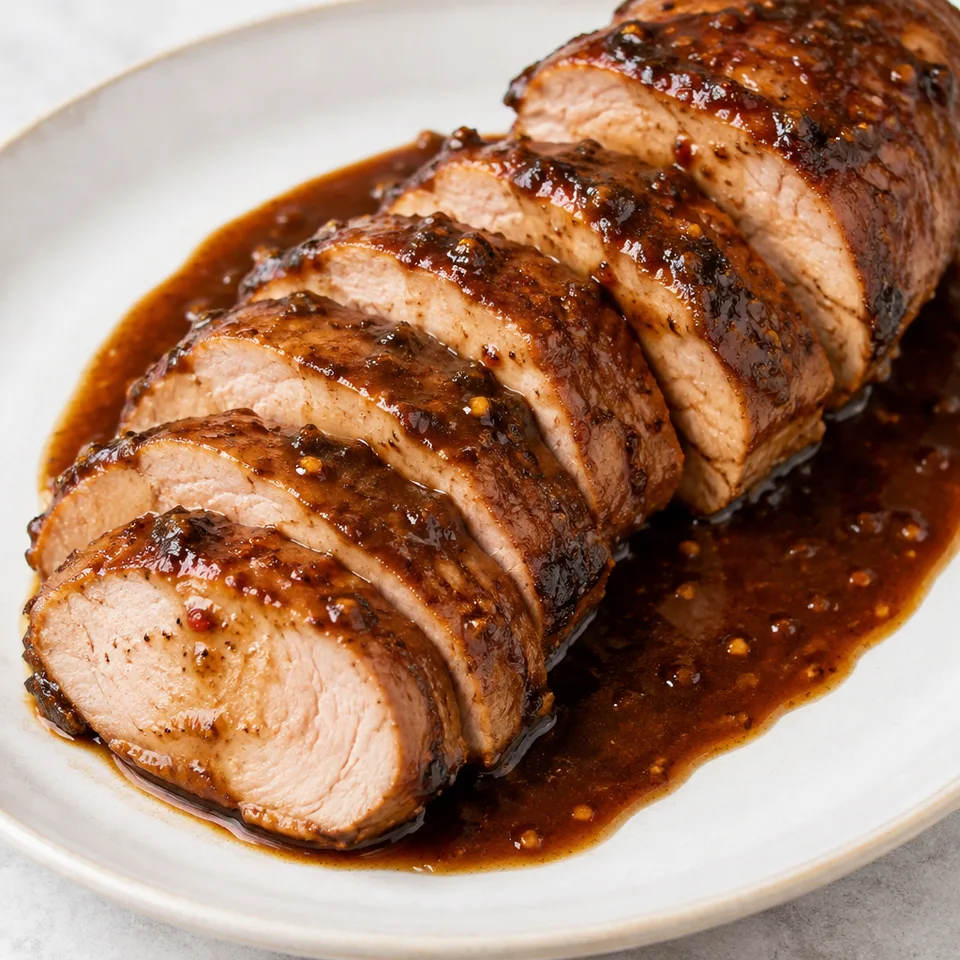
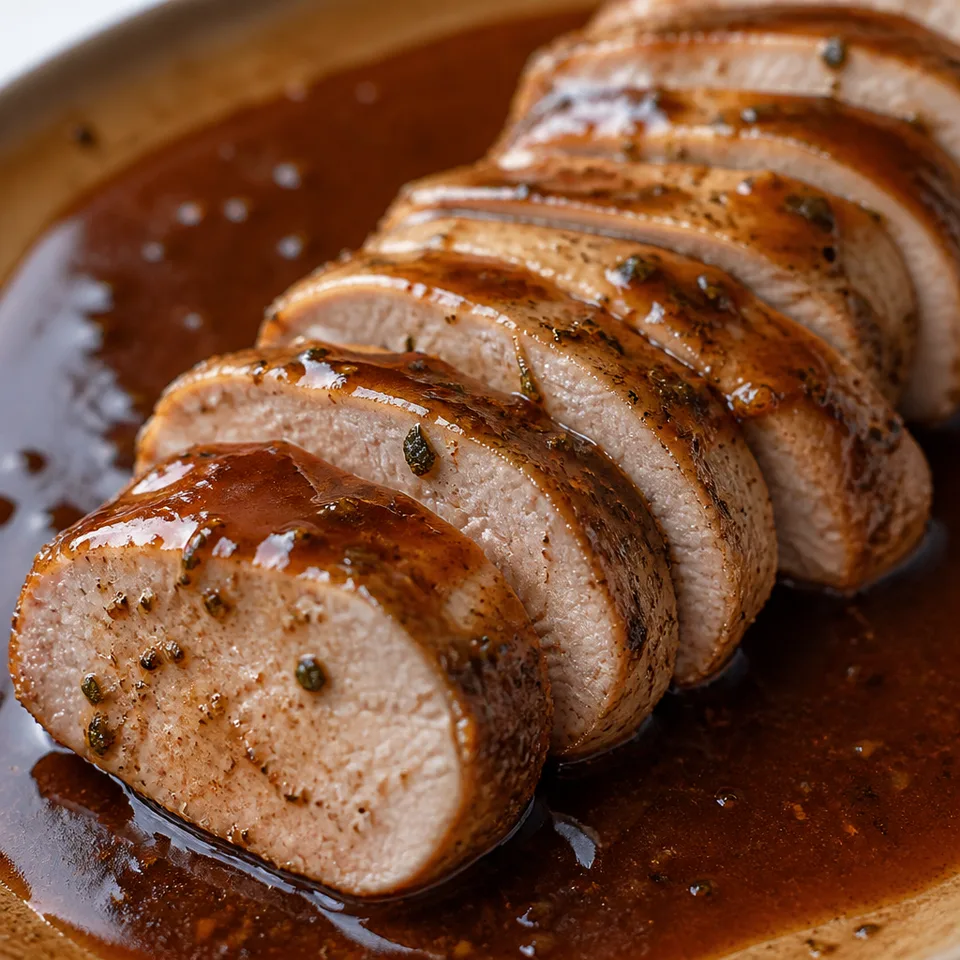
Pork tenderloin with a honey-balsamic glaze makes an inviting dinner to slice into. The sauce has a sweet, tangy edge that suits the savory spice rub. Give the pork its short rest and enjoy a warm slice with some of that glossy sauce.
- Prep
- 10 min
- Cook
- 120 min
- Total
- 130 min
- Original yield
- Serves 4
- Ingredients
- 12 listed
Make it part of your week
Recipe categories & planning details
- Meal type
- Main course
- Primary protein
- Pork
- Cuisine
- American
- Cooking method
- Slow cooker
- Preparation & total time
- Prep: 15 minutes or less · Total: over 60 minutes
A few quick notes
1. Check the fit first
If the tenderloin is too long for the cooker, halve it crosswise into two shorter pieces before seasoning.
2. Rub every side
Combine the dry seasonings and rub them over all sides of the pork before putting it into the cooker.
3. Whisk the sauce smooth
Combine broth, honey, balsamic, ketchup and cornstarch in a bowl before pouring them into the cooker.
Get to know the ingredients
Pork tenderloin
Use tenderloin as specified. If you have pork loin, choose a different recipe; the cuts aren't interchangeable here.
Honey alternatives
Brown sugar or maple syrup are listed as sweetener options if you don't have honey for the sauce.
Dried parsley
The dried parsley belongs in the seasoning rub with garlic powder, salt, pepper, onion powder and paprika.
Let’s make it
Choose your servings, then check things off as you go.
Original recipe: Serves 4. Original quantities shown.
Check ingredients as you prepare them. These checks stay on this page.
How to make it
0 of 6 steps completeMake room for Glazed Slow Cooker Pork Tenderloin recipe
Review ingredients in your pantry before anything is added. Meal plans use your household size; grocery-only additions use the servings selected above.
The last little job
Rest before slicing
Move the cooked tenderloin to a cutting board and let it rest for five minutes before slicing.
A little more help as you go
Thicken more if desired
For a thicker sauce, strain it into a small pot and use the optional cornstarch slurry while stirring over heat.
Balsamic can be adjusted
You can reduce the balsamic vinegar or swap it for cider vinegar if you prefer the flavor.
A few questions you might have
Can I use an all-purpose seasoning blend?
Yes, you can use your favorite all-purpose blend in place of mixing the individual rub seasonings.
Do I have to cut the tenderloin?
Leave it whole if it fits the cooker; the crosswise cut is only needed when it's too long.
What internal temperature should I look for?
Check the thickest part with a meat thermometer for the stated 150-to-160-degree-Fahrenheit range before moving the pork to rest.
Is extra sauce thickening required?
It's optional. The directions give a separate stovetop thickening step if you'd like the cooking sauce thicker.
Does the cornstarch start in the cooker?
The first cornstarch portion is whisked into the sauce before cooking; the optional slurry is a separate finishing addition.
Any more cooking tips?
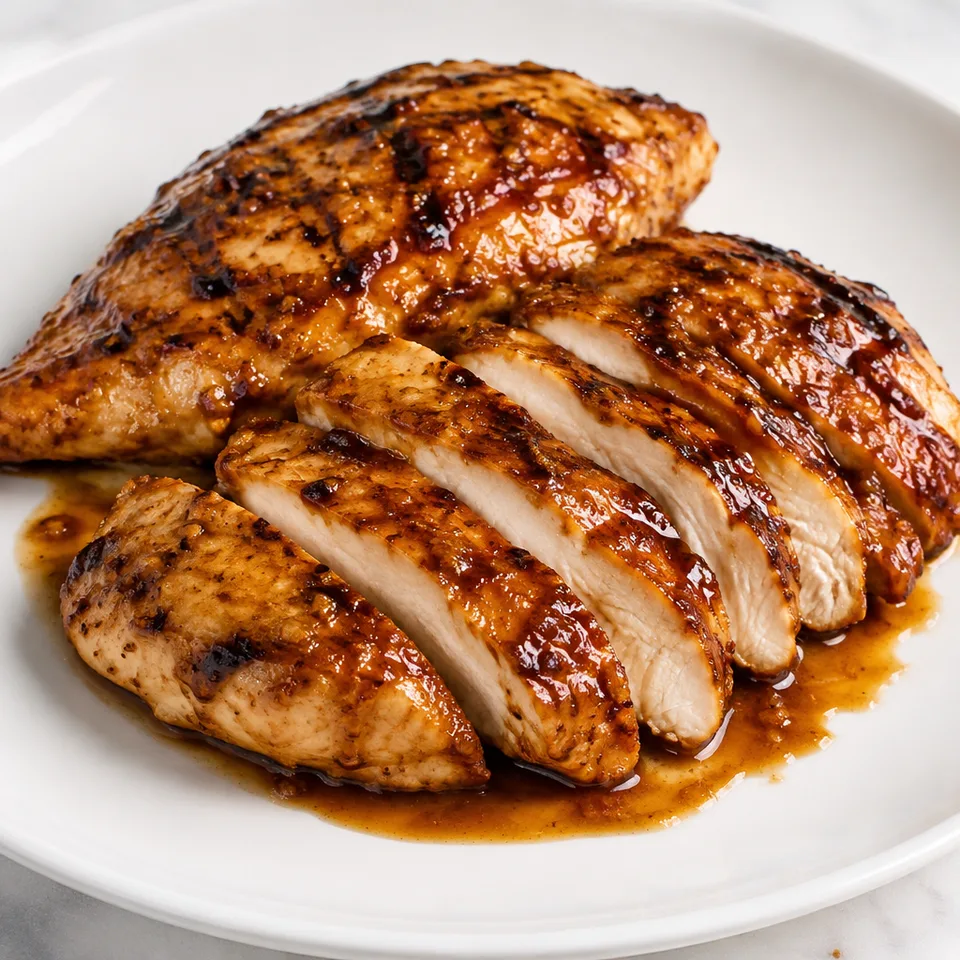
Ingredients and Substitutions: Pork Tenderloin : you can swap for boneless, skinless chicken breasts and use the same cook time. If you have a pork loin and not a pork tenderloin, see my Easy Slow Cooker Pork Loin. Seasonings : to save time, feel free to swap the seasoning rub with your favorite all purpose blend. Honey : if you don’t have honey, you can use a sweetener of your choice: brown sugar or maple syrup will work great as well. Balsamic Vinegar : gives a punch of flavor! It is not going to taste very vinegary, but you can reduce it or swap with cider vinegar if you don’t like balsamic.
Storage & reheating safety
For cooked, perishable leftovers, refrigerate within 2 hours (1 hour above 90°F), using shallow containers for prompt cooling. Keep the refrigerator at 40°F or below, use refrigerated leftovers within 3–4 days, and reheat hot leftovers to 165°F, checked with a food thermometer. Follow any shorter package limit.
These are general safety limits, not a tested storage or freezing recommendation for this particular dish. USDA leftovers guidance · Safe cooking temperatures
Recipe source: thereciperebel.com. Ingredient names and quantities may be adapted for the pantry.
Preparation notes follow the recipe shown here.