Kitchen notes · a little help before you start
Shrimp Alfredo Recipe
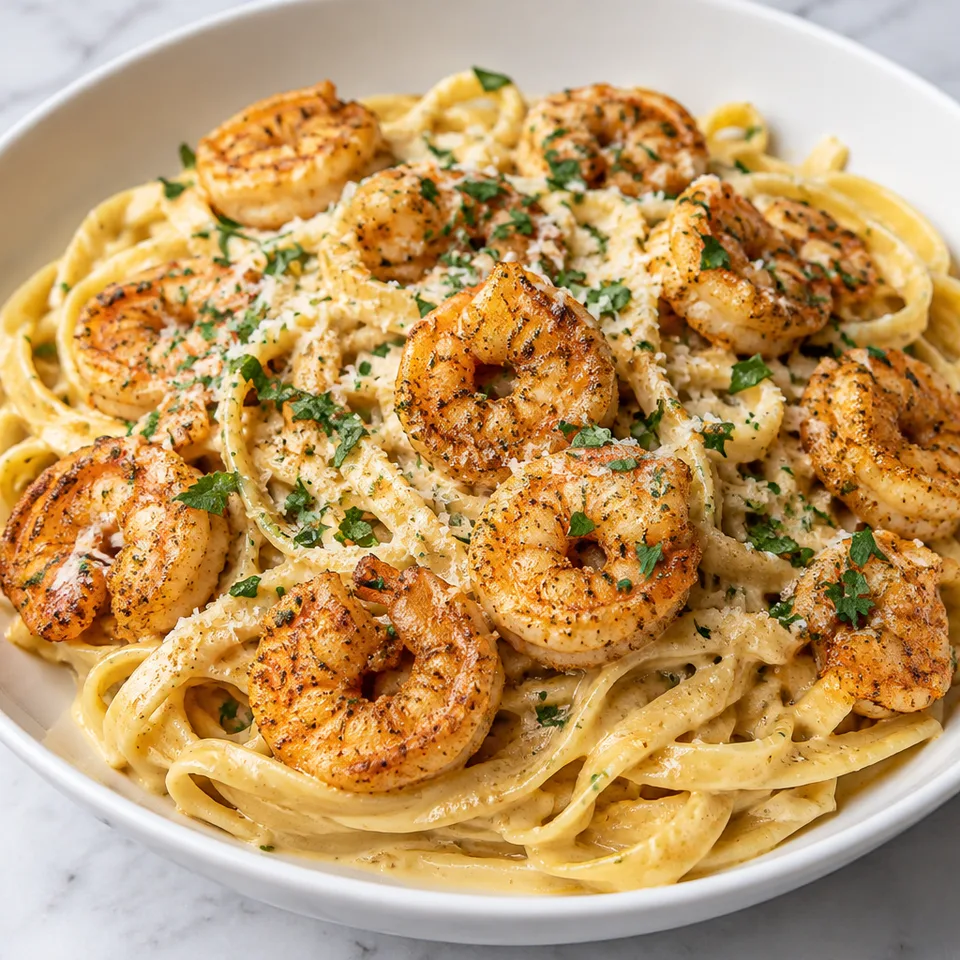
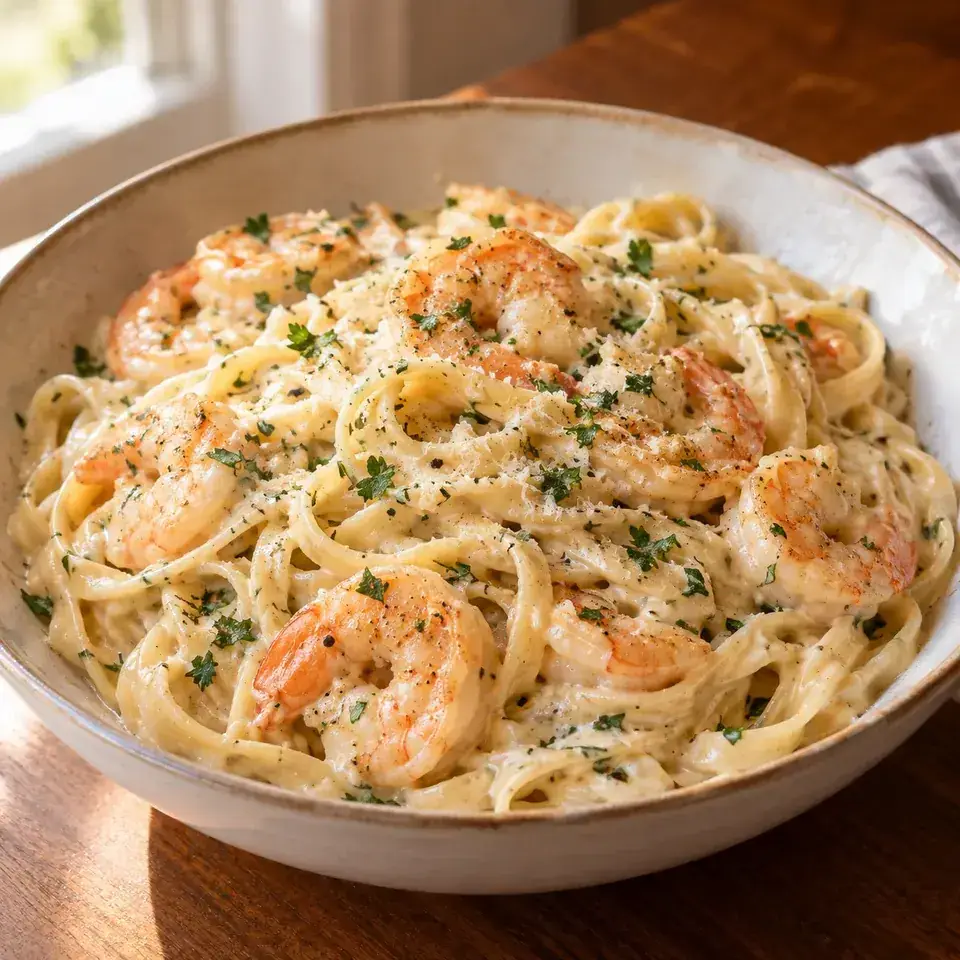
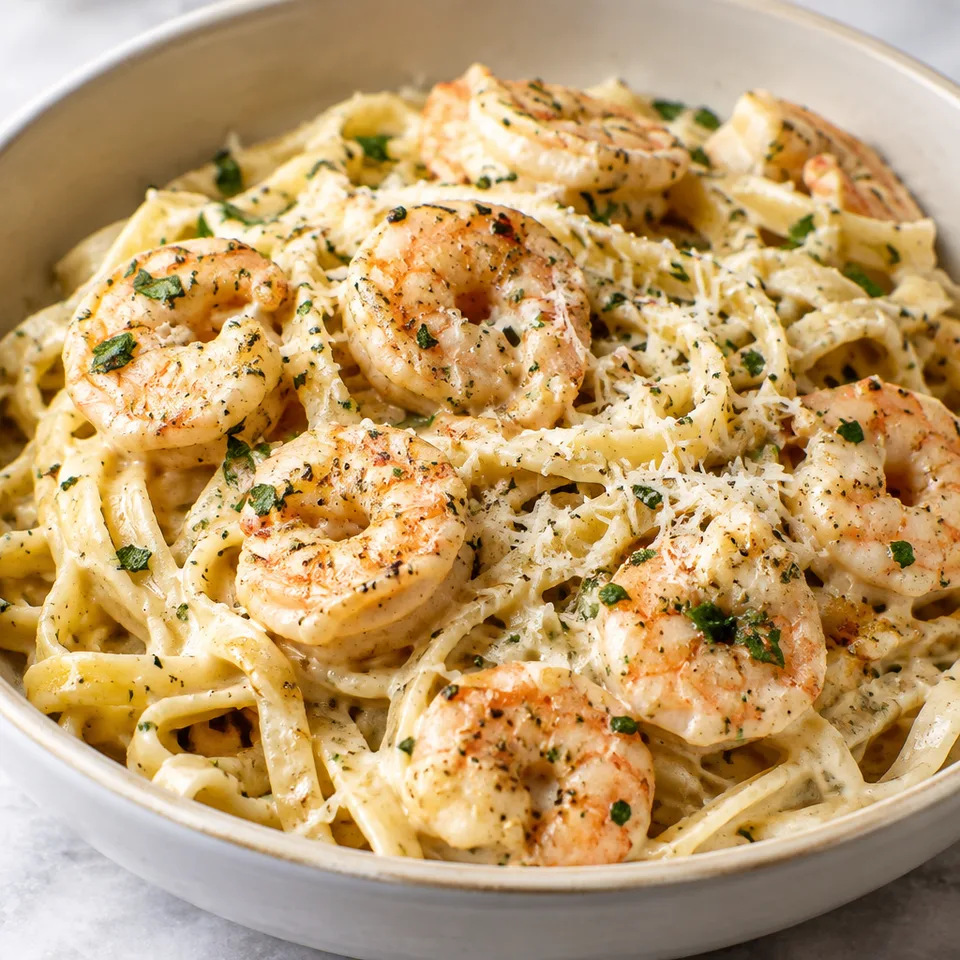
A forkful of fettuccine wrapped in Parmesan cream is already something to enjoy. Add seasoned shrimp and it becomes an especially inviting dinner, with a little smoky paprika at the edges. The sauce slips around the pasta and shrimp so each bite feels generous.
- Prep
- 15 min
- Cook
- 15 min
- Total
- 30 min
- Original yield
- Serves 6
- Ingredients
- 20 listed
Make it part of your week
Recipe categories & planning details
- Meal type
- Dinner · Main course
- Primary protein
- Seafood
- Cuisine
- Cajun · American · Italian
- Preparation & total time
- Prep: 15 minutes or less · Total: 30 minutes or less
A few quick notes
1. Give the shrimp a dry start
Pat the shrimp dry before seasoning so they sear instead of steaming. A short rest with the spices is enough, then they only need a quick cook until opaque.
2. Keep that pasta water
Before draining the fettuccine, save the pasta water. A splash at the end can loosen the Alfredo if it tightens up once the cheese, pasta, and shrimp come together.
3. Add the cheese slowly
Parmesan goes in by the handful, with whisking between additions. That little pause helps the cheese melt smoothly into the cream sauce instead of clumping in one big pile.
Get to know the ingredients
Shrimp size matters here
Use the large raw shrimp called for, already peeled and deveined. They cook fast, so watch for opaque shrimp and pull them from the pan rather than trying to brown them deeply.
Freshly grated Parmesan melts best
The Parmesan is meant to be freshly grated, preferably Parmigiano Reggiano grated fine on a microplane. Since it’s added directly to the sauce, that fine texture helps it melt in smoothly.
Cream cheese is optional
The cream cheese is there for an even thicker, creamier sauce. If you use it, make sure it’s very soft so it melts smoothly with the cream, milk mixture, and spices.
Let’s make it
Choose your servings, then check things off as you go.
Original recipe: Serves 6. Original quantities shown.
Check ingredients as you prepare them. These checks stay on this page.
How to make it
0 of 10 steps completeMake room for Shrimp Alfredo Recipe
Review ingredients in your pantry before anything is added. Meal plans use your household size; grocery-only additions use the servings selected above.
The last little job
The last little job
Once the fettuccine is coated, you can either toss in the shrimp or set them on top. Finish with fresh parsley if you like, extra grated Parmigiano Reggiano, and freshly cracked salt and pepper to taste.
A little more help as you go
Warm the pan first
If you’re using stainless steel, let the pan heat for the full three minutes before the oil goes in. That step is there to help keep the seasoned shrimp from sticking.
Don’t rush the thickening
After the Parmesan goes in, let the sauce reach a gentle simmer and thicken. It will keep tightening a bit as it cools and again when the pasta is added.
A few questions you might have
Can I leave the tails on the shrimp?
Yes. Sear the shrimp as directed, then remove the tails once they’re cool enough to handle if you want. The recipe leaves that choice up to you.
Why do I mix cornstarch with the milk first?
Whisking the cornstarch into the milk until completely smooth helps it blend into the sauce evenly. Add it with the cream, cream cheese, and spices after the garlic cooks.
Should I toss the pasta in right away?
Toss it in when you’re ready to serve. If the pasta has to sit after draining, a small drizzle of olive oil keeps it from clumping before it meets the sauce.
What if my Alfredo gets too thick?
Use the reserved pasta water. Add a splash and toss until the sauce loosens enough to coat the fettuccine again.
Do I top with the shrimp or mix them through?
Either works. Add the fettuccine to the sauce first, then top with the shrimp for a plated look or toss them through so every serving gets some.
Storage & reheating safety
For cooked, perishable leftovers, refrigerate within 2 hours (1 hour above 90°F), using shallow containers for prompt cooling. Keep the refrigerator at 40°F or below, use refrigerated leftovers within 3–4 days, and reheat hot leftovers to 165°F, checked with a food thermometer. Follow any shorter package limit.
These are general safety limits, not a tested storage or freezing recommendation for this particular dish. USDA leftovers guidance · Safe cooking temperatures
Recipe source: carlsbadcravings.com. Ingredient names and quantities may be adapted for the pantry.
Preparation notes follow the recipe shown here.