Kitchen notes · a little help before you start
Beef Pan-Fried Noodles
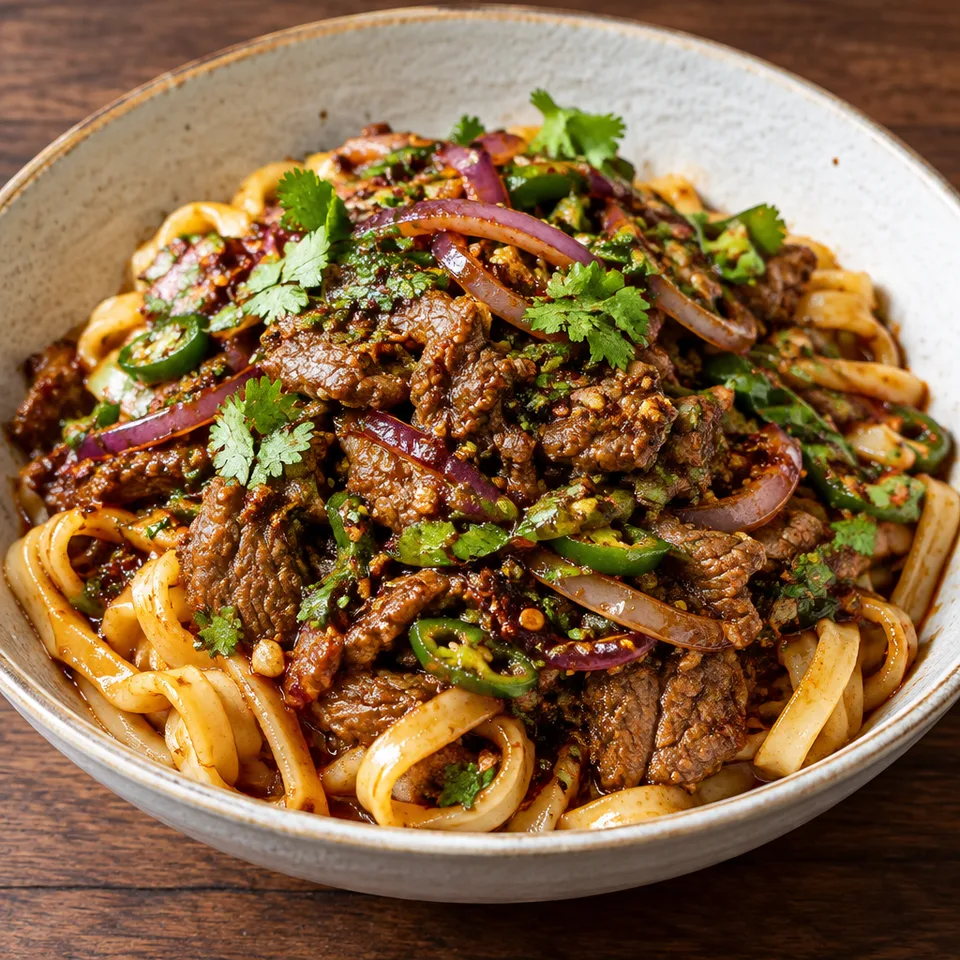
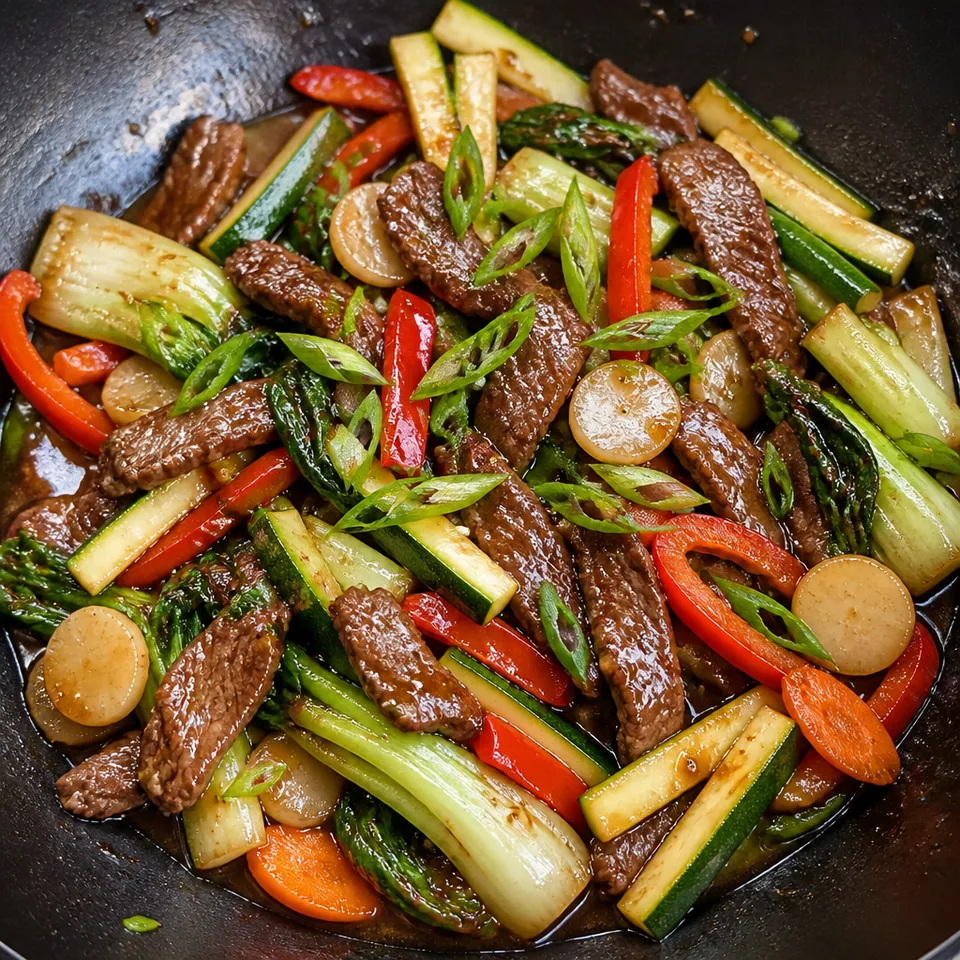
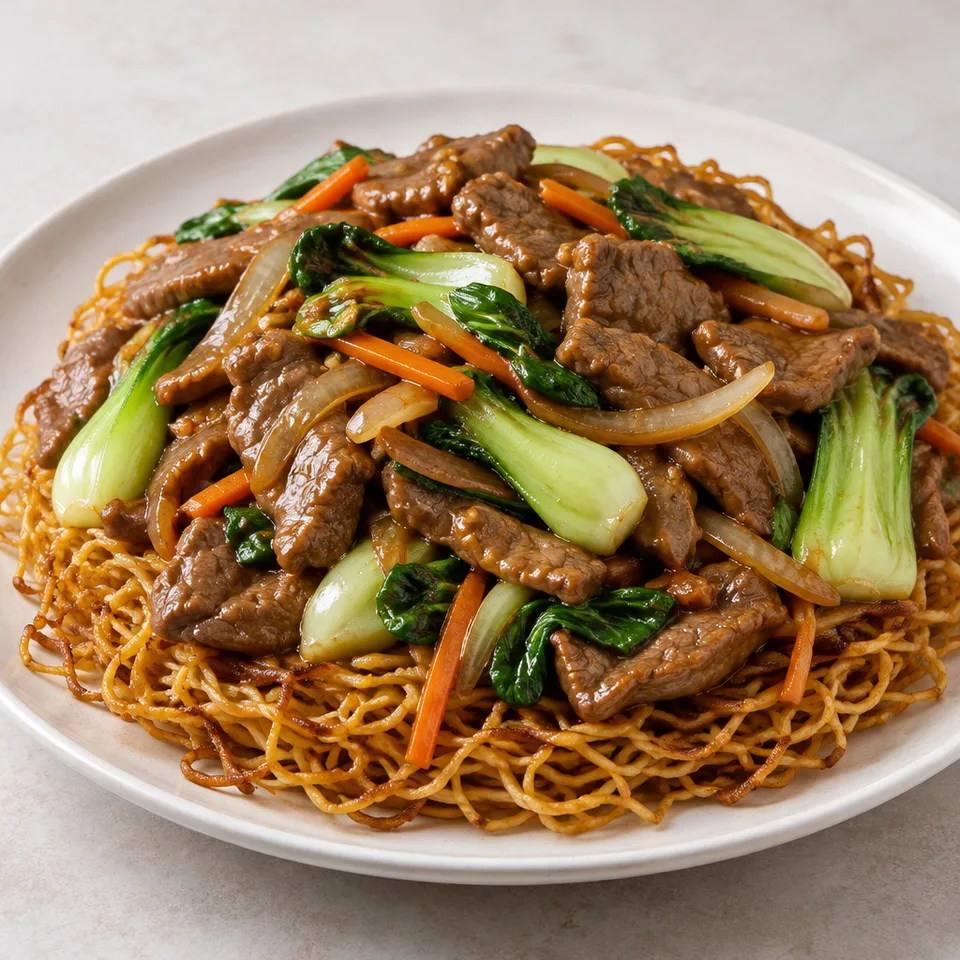
Crisp golden noodles under saucy beef make an especially inviting plate. As you eat, the sauce reaches into the noodles while some edges keep their crunch. Tender bok choy and strips of carrot give you a little variety between forkfuls of the savory beef.
- Prep
- 20 min
- Cook
- 15 min
- Total
- 35 min
- Original yield
- Serves 4
- Ingredients
- 17 listed
Make it part of your week
Recipe categories & planning details
- Meal type
- Main course
- Cuisine
- Chinese · Asian
- Cooking method
- Pan-frying
- Preparation & total time
- Prep: 16–30 minutes · Total: 31–60 minutes
- Dish type
- Noodles
A few quick notes
1. Have everything ready before the pan heats
Once the noodles are fried, the beef and vegetables move quickly. Mix the sauce, slice the vegetables and keep the beef ready to go so the garlic and ginger don't sit in the hot pan too long.
2. Let the noodles dry a bit
After cooking the noodles, drain them and leave them in a colander before frying. Drier noodles brown more easily and are less likely to steam in the pan.
3. Give the beef a proper sear
Spread the beef into one layer and leave it alone briefly before flipping. That first undisturbed moment helps it brown instead of turning gray and watery.
Get to know the ingredients
Choose thin noodles for the right texture
Fresh Hong Kong pan fry noodles give the best texture here. Vermicelli pasta is the closest backup, while ramen will be a little thicker and angel hair a little thinner.
Slice the beef across the grain
Flank or skirt steak works well because it's sliced thinly against the grain before marinating. That cut and direction help the pieces stay pleasant to eat after the quick sear.
Stir the sauce again before pouring
The cornstarch settles as the sauce sits. Give it a thorough stir right before it goes into the pan so the sauce thickens smoothly around the vegetables and beef.
Let’s make it
Choose your servings, then check things off as you go.
Original recipe: Serves 4. Original quantities shown.
Check ingredients as you prepare them. These checks stay on this page.
How to make it
0 of 10 steps completeMake room for Beef Pan-Fried Noodles
Review ingredients in your pantry before anything is added. Meal plans use your household size; grocery-only additions use the servings selected above.
The last little job
Pour and eat while the noodles are crisp
The final move is simple: once the sauce is as thick as you like, pour the beef and vegetables over the fried noodles and serve right away. Waiting softens that golden noodle base.
A little more help as you go
Check your noodle package
Hong Kong noodles vary by brand. Some can go straight into the pan, while others need boiling first. If a boiling time isn't listed, cook just until al dente and watch closely.
Fry smaller noodle cakes if you like
The recipe makes one big plate to share. For smaller portions, fry the noodles in a few batches so each plate gets its own crisp base.
A few questions you might have
Can I use dry pasta instead of Hong Kong pan fry noodles?
Yes. Vermicelli pasta is the best alternative listed. Cook it until al dente before frying so it can crisp in the pan without turning mushy.
What if my Hong Kong noodles say they don't need boiling?
Follow the package. If they go straight into the pan and seem dry, add about 1/4 cup water to steam them a little as they fry.
Should the beef be fully cooked before it goes back into the sauce?
It should be browned and cooked, but a hint of pink inside is fine at this stage. It goes back into the hot sauce at the end and gets mixed through.
Why does the sauce need cornstarch?
Cornstarch gives the broth-based sauce its body. Stir it well before pouring so it doesn't stay at the bottom of the bowl, then boil the sauce until it starts to thicken.
How do I keep the noodles from going soft before serving?
Keep the sauce separate if you're not serving right away, then pour it over the noodles just before eating. That's the best way to protect the crisp fried layer.
Any more cooking tips?
Hong Kong noodles will yield the best texture. The best alternative is vermicelli pasta, which yields a similar result. If you can’t find either, you can also use ramen noodles (a bit thicker) or angel hair pasta (a bit thinner). If you wish to add the dark brown color to your noodles (as shown in the photos), replace 1 teaspoon of soy sauce with dark soy sauce. It won’t affect the taste either way. Hong Kong noodles can have different preparation methods depending on the brand. Some don’t require boiling and you can directly pan fry them. In such a case, you might need to pour in a small cup of water (1/4 cup or so) to steam the noodles in the frying pan so they are not too dry. If the package requires boiling but doesn’t indicate a time, you should boil the noodles and keep a close eye on them so they will be al dente. I briefly cooked mine for under 1 minute. If you use pasta, cook it until al dente. If you use thin Asian noodles, cook them 1 minute less than the package indicates. This recipe yields a big plate of noodles to share. If you wish to cook individual servings, you can fry the noodles in 2 to 3 batches to create smaller plates. If you do not plan to serve the dish immediately, transfer the sauce into a big bowl and cover it to keep warm. Pour the sauce over the noodles right before serving so the noodles remain crispy.
Storage & reheating safety
For cooked, perishable leftovers, refrigerate within 2 hours (1 hour above 90°F), using shallow containers for prompt cooling. Keep the refrigerator at 40°F or below, use refrigerated leftovers within 3–4 days, and reheat hot leftovers to 165°F, checked with a food thermometer. Follow any shorter package limit.
These are general safety limits, not a tested storage or freezing recommendation for this particular dish. USDA leftovers guidance · Safe cooking temperatures
Recipe source: omnivorescookbook.com. Ingredient names and quantities may be adapted for the pantry.
Preparation notes follow the recipe shown here.